Login

Sign Up

After creating an account, you'll be able to track your payment status, track the confirmation and you can also rate the tour after you finished the tour.
Username*
Password*
Confirm Password*
First Name*
Last Name*
Birth Date*
Email*
Phone*
Country*
* Creating an account means you're okay with our Terms of Service and Privacy Statement.
Please agree to all the terms and conditions before proceeding to the next step

Already a member?

Login

Malawi from Head to Toe: A First Timer in Malawi

13 days exploring Malawi, from its wildlife-rich reserves and cool mountain highlands to the shores of Lake Malawi.

Thirteen days in Malawi gave me the chance to get to know a country of remarkable variety. We spent time in the bush, travelled by boat across the lake, learnt about tea production in the highlands and explored the forests and grasslands of the north.

Along the way, local guides shared their knowledge, we learnt more about conservation and community initiatives, and we met people whose warmth made each stop that much more meaningful.

For a first-time visitor, Malawi offers far more than you might expect from looking at a map. Each region has its own character, and travelling from one to the next reveals just how much there is to discover.

Here is a look back at 13 days exploring Malawi, from head to toe.

Day 1 and 2: Majete Wildlife Reserve

Our Malawi trip began with a four-hour drive from Blantyre to Majete Wildlife Reserve. Along the way, our guide, Eddie, shared stories about the Chewa, Ngoni and Yao people, offering an introduction to Malawi’s history and cultural heritage before we even reached the reserve.

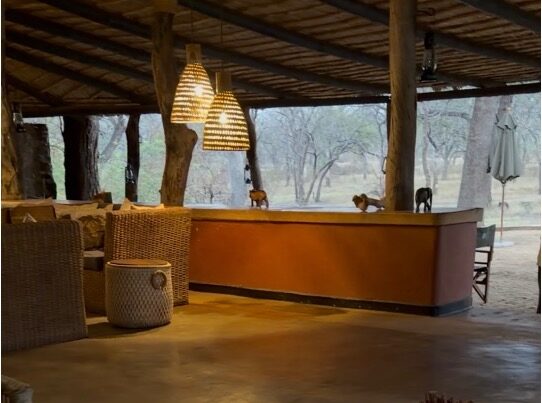
At Thawale, we were welcomed with warm towels and a drink before heading straight out on a game drive with Kenneth.

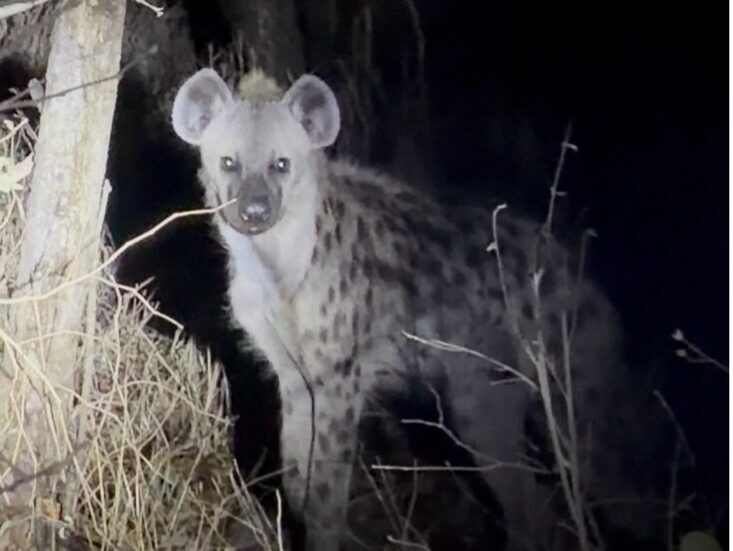
Despite torrential rain, we came across four hyenas feeding on a waterbuck. We switched off the vehicle and lights for a while, sitting quietly and listening to their calls and the sounds of them cracking bones. Just before returning to the lodge, we spotted a giant eagle owl beside the road, a lovely end to our first drive.

One of Thawale’s interesting features is its six live-stream cameras positioned around the reserve, including one overlooking a waterhole. Guests can watch the footage on a television in the central area, offering a glimpse of wildlife activity beyond what they might see on a game drive.

The following morning started early, with a 5.30 am game drive followed by breakfast and a conservation talk about the work involved in protecting Majete. We also learnt how honey is produced within the reserve, giving us an insight into how conservation efforts and local livelihoods can work alongside one another.

It was a useful reminder that a reserve is about much more than the wildlife visitors encounter on a drive. The people, partnerships and work behind the scenes play an important role in protecting these areas for the future.

During our stay, I also met Osman, who took me on a game drive and shared an impressive amount of knowledge about the bush. His explanations added context to what we were seeing and helped bring the landscape to life.

Majete was a fitting place to begin our trip, introducing us to Malawi’s wildlife and conservation work while giving us our first glimpse of the people and knowledge behind the country’s safari experiences.

Day 3: From Majete to Huntingdon House

Eddie collected me early in the morning, and we got the vehicle ready before meeting the agents, who had spent the night at Mkulumadzi. Before leaving, they stopped at the shop to pick up some local honey and jackets.

From Majete, we travelled to Huntingdon House on the historic Satemwa Tea and Coffee Estate in the Thyolo highlands. The change in scenery was striking.

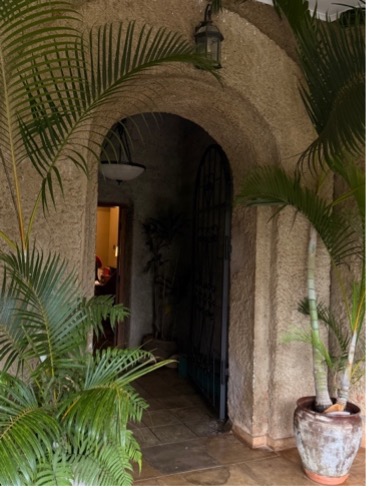
Huntingdon House has the character of a Victorian-era home, with just five individually themed rooms: the Father’s Room, Mother’s Room, Nursery Room, Children’s Room and Chapel Room. Its history is closely connected to Maclean Kay, the Scottish settler who founded the estate, and that heritage is reflected in the details throughout the property.

A highlight was the tea tour, where we learnt more about the estate and the process behind producing tea.

One particularly interesting detail was that all tea comes from the same plant!! What distinguishes them is how the leaves are processed, including the degree of oxidation and the way they are handled and dried.

It was a fascinating look at an industry that has helped shape this part of Malawi.

Back at the house, we enjoyed a three-course dinner. Huntingdon offered a completely different perspective on the country, combining estate history, tea production and the cooler surroundings of the Thyolo highlands.

Day 4: Exploring Zomba and beyond

Day four began with Eddie collecting us for a morning of lodge visits around Zomba.

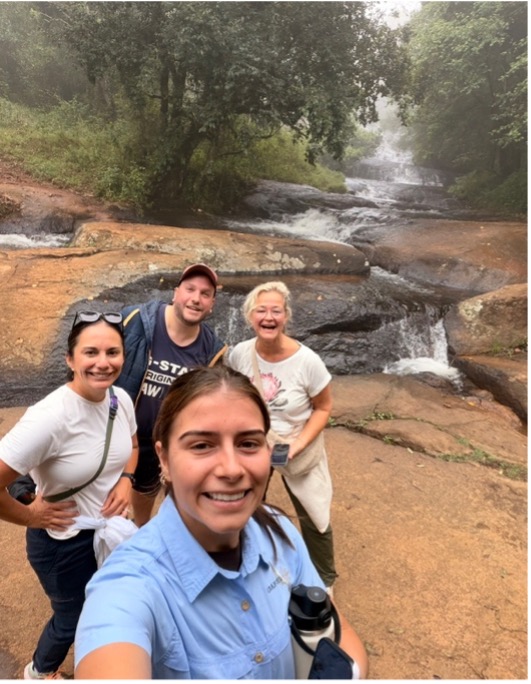
Our first stop was Sunbird, which offers 37 rooms, before we headed into the hills for a 5 km hike to a waterfall on the Zomba Plateau. After several days of travelling, it was a lovely opportunity to stretch our legs and explore another side of Malawi’s landscape.

We then visited Zomba Forest Lodge, a completely off-grid property without electricity. Communal dining is central to the experience, encouraging guests to spend time together rather than retreat to their own rooms. It offers a different style of stay for travellers who enjoy a simpler setting and a more communal atmosphere.

Our final stop was Kefi, where Dimitri showed us around the property and gave us an insight into what makes it special.

The rooms combined a modern style with practical comforts, including air conditioning, and the property had a warm, welcoming feel. The food was excellent, but dinner deserves a particular mention. It was a highlight of the day and a lovely way to round off our time there.

Visiting these three properties offered a lovely insight into the variety of accommodation around Zomba, from an off-grid forest retreat to a more contemporary stay. Each offers something different, providing guests with their choice of place to pause and break up the journey between reserves.

Days 5 and 6: Mvuu Lodge, Liwonde National Park

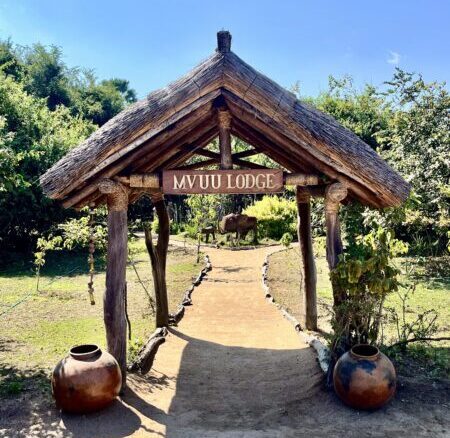
Arriving at Mvuu Lodge is an experience in itself. Rather than driving directly to the entrance, we crossed the river by boat, passing hippos and crocodiles, with elephants visible in the distance.

Our guide, Duncan, met us at the jetty and immediately impressed us with his knowledge of the area and its wildlife.

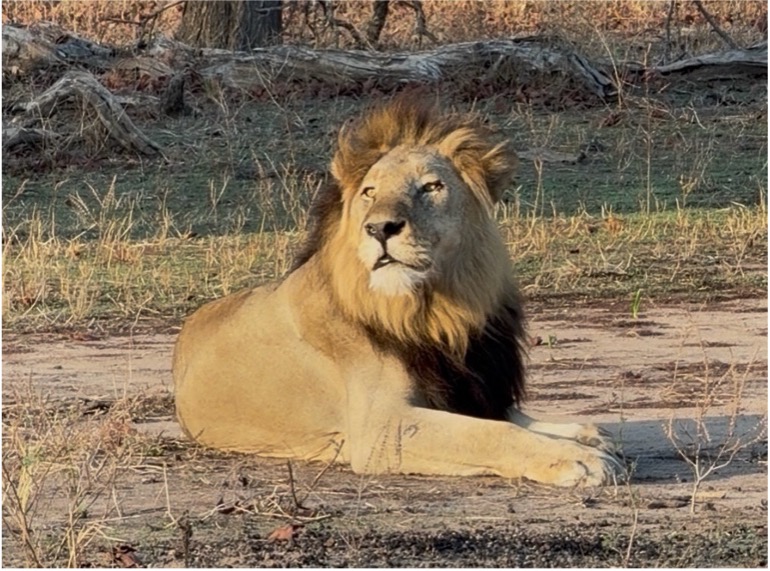
After settling into our rooms and enjoying a three-course meal, we headed out on our first game drive. With Duncan at the wheel and a skilled spotter alongside him, we were lucky enough to see four porcupines, my first sighting of them in the wild, as well as a civet, lion, elephant and buffalo.

We also stopped for five minutes in complete silence, simply listening to the bush and looking up at the stars. It was a small moment, but one that stood out from the day.

The following morning began with a 6 am wake-up call and a boat safari. We came across a herd of elephants wallowing in the water and switched off the motor to watch quietly from just metres away.

Seeing elephants from the water offers a different perspective from a vehicle. With the boat still and the engine off, we could observe their behaviour without disturbing the moment.

Mvuu had packed breakfast for us, so we enjoyed tea, coffee and breakfast out on the river, surrounded by the sounds of the bush.

Later, we visited a nearby village to learn more about life in the local community. We were welcomed into a resident’s home, enjoyed traditional dancing and met a local healer who shared some of the natural remedies used in the area.

These visits add valuable context to a safari. They help travellers learn more about the people and traditions connected to the landscape, beyond what can be seen from a game vehicle.

We ended the day with another game drive and sundowners overlooking the river.

Mvuu offers a varied stay in Liwonde National Park, combining game drives with time on the water and opportunities to learn about the surrounding community. The boat safaris were a particular highlight, providing a different way to observe wildlife and appreciate the river environment.

Day 7: From Liwonde to Mumbo Island

Eddie collected us from the jetty, and we set off towards Lake Malawi.

Along the way, we stopped in Mangochi at a local bar, where seating had been arranged outside for us to enjoy the packed lunch kindly prepared by Mvuu Lodge. We also had the opportunity to try a few local drinks before continuing our journey.

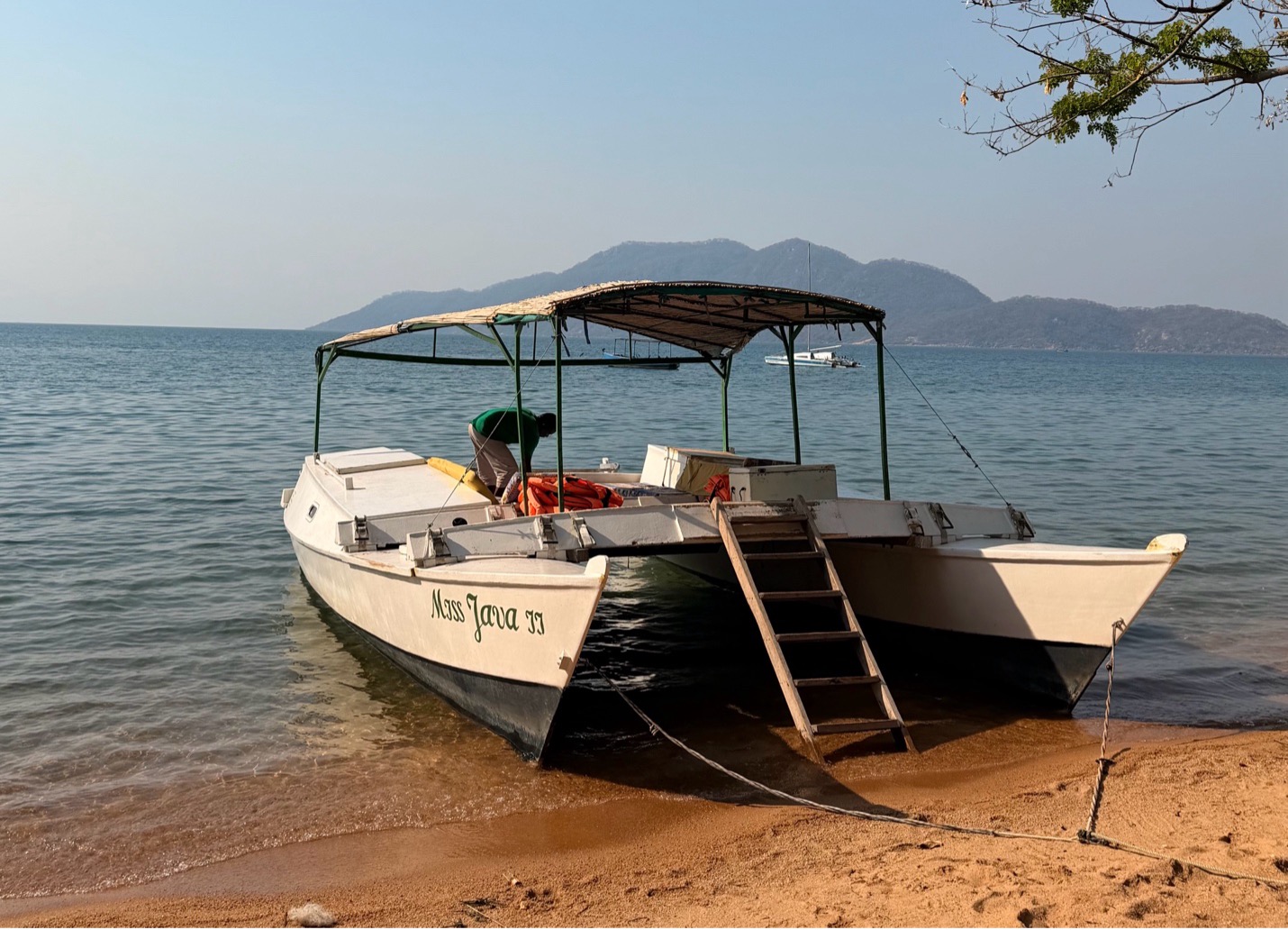
On arrival at the lake, we boarded a catamaran to Mumbo Island, travelling across the water with our luggage.

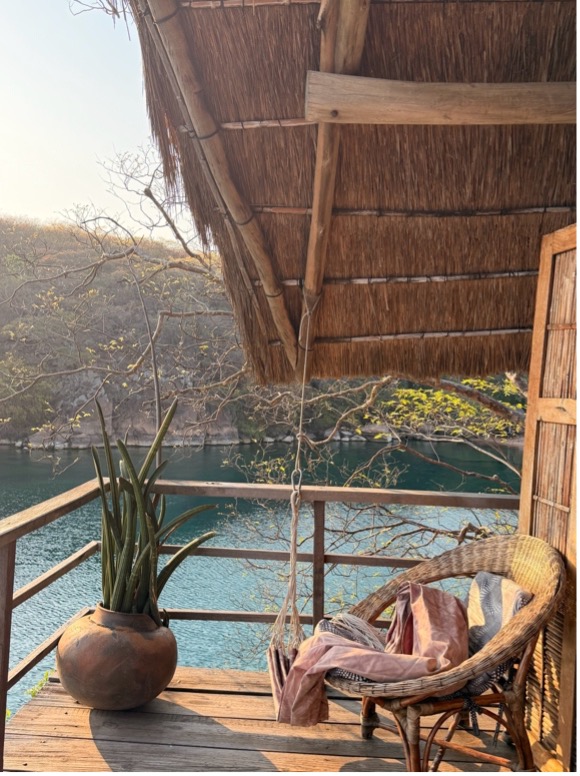
Edward welcomed us and showed us around the property, which has five rooms facing the lake and two tucked into the forest. With the water close by and the island’s natural surroundings all around us, it felt a world away from the bush we had just left behind.

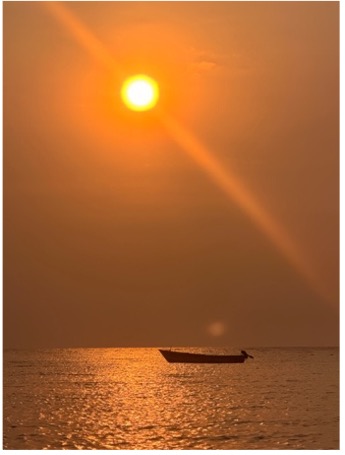
That evening, we headed out on a sunset cruise. Fish eagles swooped down to catch fish alongside the boat, giving us a close view of them over the water.

Back on the island, we finished the day with chicken curry for dinner.

After several days of game drives, Mumbo Island introduced us to a different pace of travel. Here, the lake takes centre stage, with opportunities to explore by boat, canoe or snorkel and to enjoy the island’s quieter surroundings.

Day 8: Sunrise on Mumbo Island and an afternoon at Makokola Retreat

My morning on Mumbo Island began just before 5 am. I woke with the sunrise and enjoyed a coffee outside my tent before heading out for a sunrise snorkel. The lodge provides heated flasks for early mornings, a thoughtful detail when the day starts before dawn.

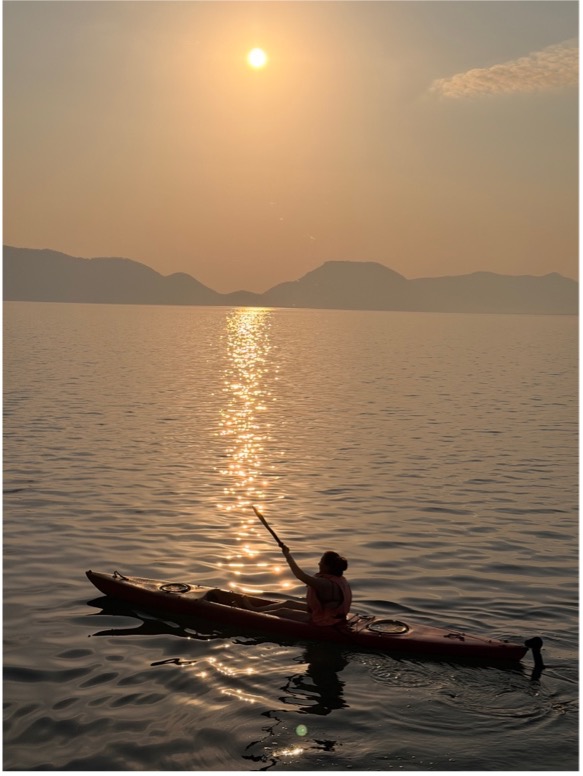
While some of us went snorkelling, others chose to explore the water by canoe. We then set off on a hike around the island, finishing at a viewpoint before returning for breakfast.

It was a lovely way to make the most of our final morning on Mumbo.

After a 45-minute boat transfer back to the mainland, Eddie collected us and drove us to Makokola Retreat. We said our goodbyes to Eddie there, as we were due to fly the following day.

At Makokola, we were welcomed and shown to our rooms before settling in over some delicious pizza.

Later, we headed out on a boat cruise around the lake, with time to jump in for a snorkel along the way. One of the highlights was spotting two otters slipping into the water right in front of us.

Back at the lodge, a beautifully arranged dinner table was waiting. To finish the evening, we enjoyed guava and mixed berry gelato, which was a personal highlight.

Makokola offered a chance to slow down after the early starts and activities of the previous days. It was a relaxed introduction to another part of Lake Malawi, with time on the water, good food and a few unexpected wildlife sightings.

Day 9: From Lake Malawi to the highlands of Nyika

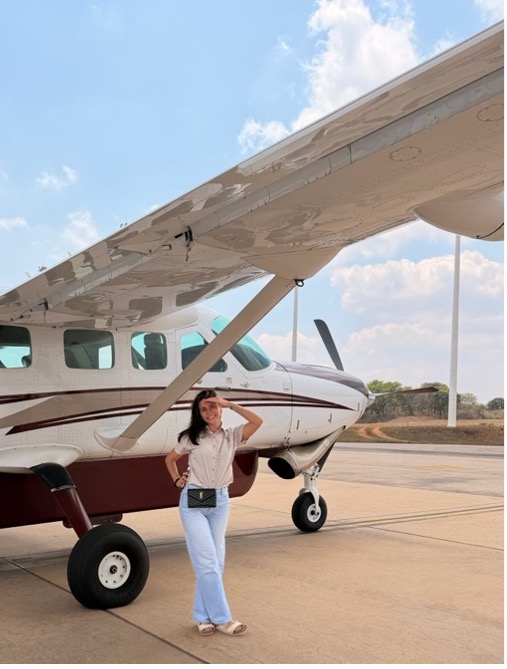
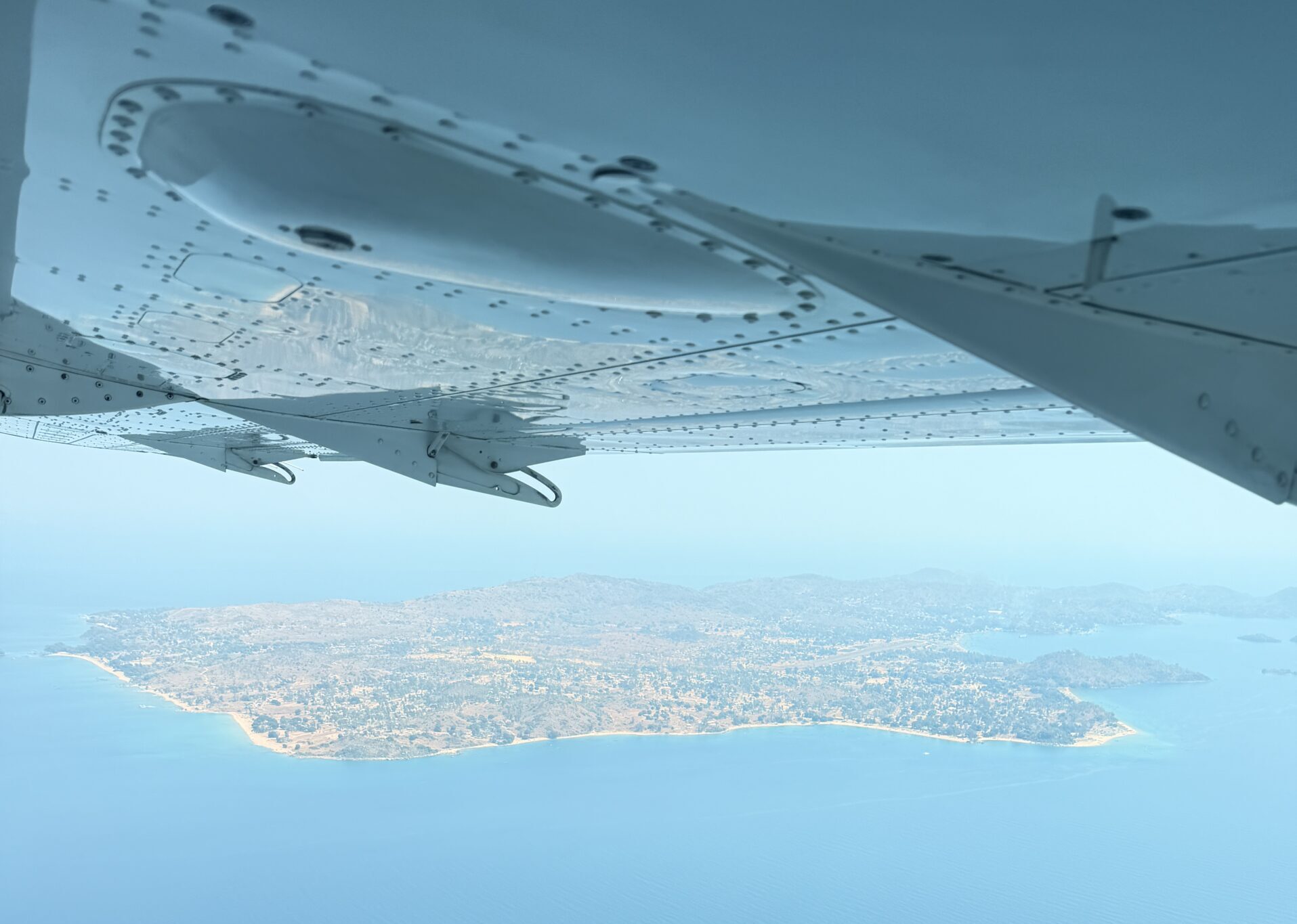
The morning began with a walk to the airstrip at Makokola Retreat, where we boarded a 12-seater charter flight heading north to Chelinda in Nyika National Park, with a short refuelling stop in Lilongwe.

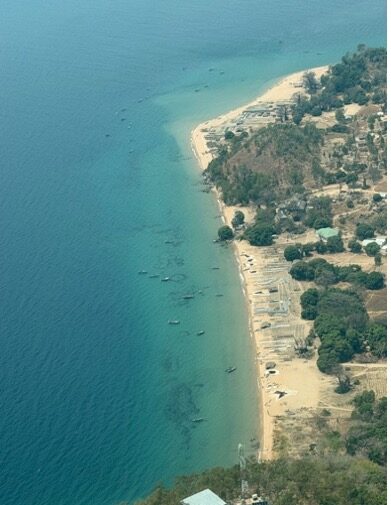
It was my first time flying in a small charter plane, and seeing Malawi from above was a highlight in itself. The lake, rolling countryside and vast open spaces further north offered a different perspective on the distances and landscapes that make up the country.

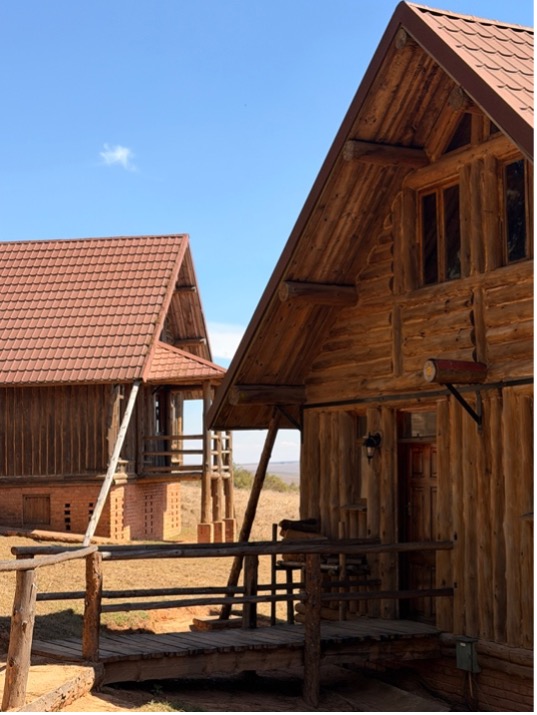
On landing at Chelinda’s grass airstrip, two game vehicles were waiting to take us to the lodge. We were welcomed by the host and shown to our cabins, each with its own fireplace.

The fireplaces were a welcome feature in Nyika’s cooler highland climate, adding to the cosy feel of the lodge after our flight.

Our first evening drive delivered some wonderful sightings, including reedbuck, roan antelope, two giant eagle owls and a particularly special sighting of a serval.

Nyika felt very different from the warmer lakeshore. Its rolling grasslands, cooler temperatures and distinctive mix of wildlife introduced us to another side of Malawi, one that is quite different from the country’s better-known lakeside and riverine landscapes.

Day 10: Walking and fly fishing in Nyika National Park

The day began with an English breakfast at Chelinda before we headed out on a 4.5 km guided safari walk.

Our guide, Blessings, shared his knowledge of Nyika’s landscape and the wildlife that calls the highland plateau home.

Walking through the reserve gave us time to notice details that can easily be missed from a vehicle. Along the way, we came across porcupine quills, spotted a red-winged francolin and an African pipit, and stopped to look at a hyena den.

Blessings also introduced us to local plants, including leaves used to make fadogia tea and the plant known locally as the happy plant.

Later that afternoon, Jeremy and I decided to try our hand at rainbow trout fly fishing. The water was full of rising fish, and although we had three bites between us, we didn’t manage to land a single trout.

It was still a lovely way to spend the afternoon, surrounded by Nyika’s open landscapes.

That evening, we enjoyed a lively dinner with our hosts. After a few games around the table and plenty of conversation, we called it an early night, ready for another day of travelling.

Day 11: From Nyika to Lake Malawi and Kaya Mawa

After breakfast at Chelinda, we headed to the airstrip for our flight south-east to Likoma Island.

On arrival, two game-viewer vehicles were waiting to collect us for the 15-minute drive to Kaya Mawa.

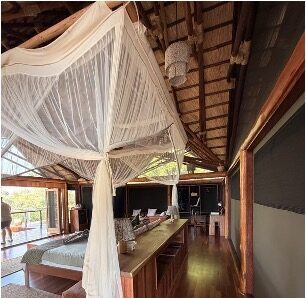
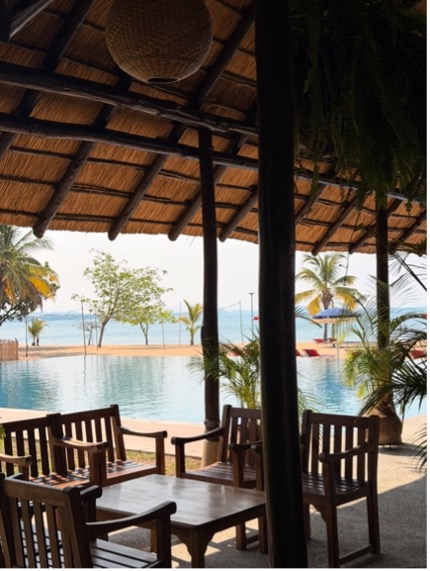
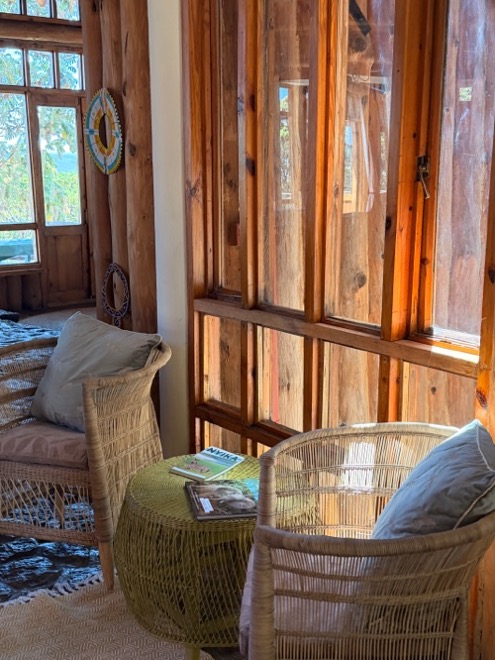
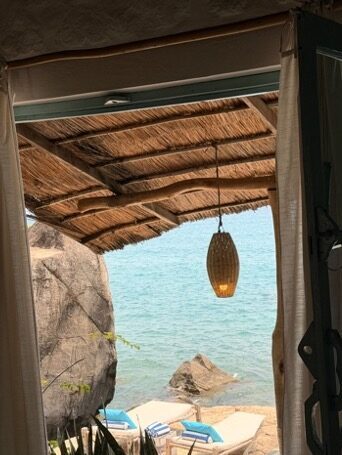
From the moment we arrived, the setting made an impression. The rooms combine natural textures and open spaces, making the most of their surroundings. Our rooms opened towards the lake, with sunlit views and private pools overlooking the water.

Katrijn and Devine welcomed us with drinks before taking us to a private lunch near the vegetable gardens. It was a lovely introduction to Kaya Mawa, with the lake never far from view.

After lunch, we settled into our rooms before heading out for an evening sundowner cruise.

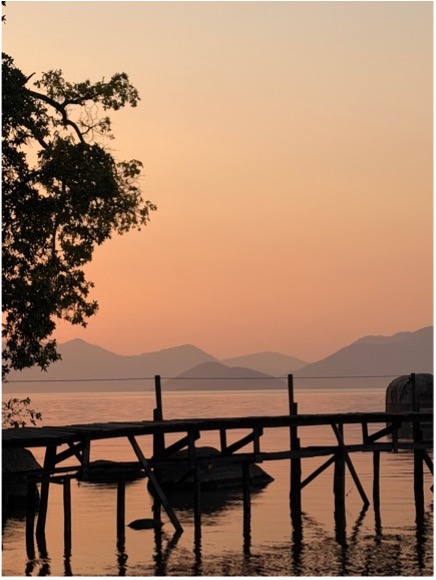
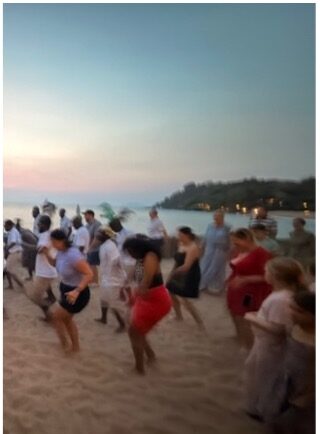
As the sun began to set, we returned to a special surprise. Local villagers had gathered to perform traditional dances while we enjoyed our drinks and watched the changing colours over the lake.

Dinner was set up directly on the beach, with our feet in the sand and the Milky Way stretching above us. Music played softly as we shared stories and conversation late into the evening.

It was a wonderful first night on Likoma Island and a striking contrast to the cool highlands of Nyika.

Day 12: Discovering Likoma Island

We began the day with a visit to Katundu Workshop, where the team showed us how they create décor pieces used at Kaya Mawa, alongside bespoke clothing and dresses.

It was fascinating to see the skill and creativity behind their work, particularly the way recycled materials are given a new purpose. Each piece had its own character, and the visit offered a glimpse into the local craftsmanship that contributes to Kaya Mawa’s individual style.

From there, we walked to Mango Drift for a site visit before Andrew arrived by boat to take us to our next stop, Pure Likoma.

Travelling between properties by boat is part of what makes exploring Likoma so interesting. The lake connects so much of island life, and each stop offers a different perspective on the places and communities along its shores.

At Pure Likoma, we were shown to our rooms before sitting down to a traditional Malawian lunch of nsima and chambo fish.

Nsima, a staple made from maize flour, is commonly served alongside fish, vegetables or other relishes. Chambo, a freshwater fish found in Lake Malawi, is particularly associated with the country’s food culture. It was a lovely opportunity to enjoy local cooking while spending time beside the lake.

The afternoon was left open for swimming and spending time together as our trip drew to a close. After travelling across so much of Malawi, it was nice to slow down, enjoy the water and reflect on everything we had seen.

As the sun set, we gathered around a bonfire on the sand. Andrew had thoughtfully prepared straw torches, which we lit in the fire before dancing along the beach with them.

It was a fun, spontaneous end to our time on Likoma Island and a fitting way to spend our final evening together.

Day 13: Farewell to Malawi

Our final morning began with a transfer to Likoma Island’s airstrip, where the 12-seater charter plane was waiting to take us back to Lilongwe.

The 55-minute flight marked the end of our time exploring Malawi, from its wildlife-rich reserves and cool highlands to the shores of Lake Malawi.

On arrival in Lilongwe, the agents made their way to international departures, and it was time for final farewells after 13 days of discovering the country together.

Malawi, from head to toe

Looking back on our 13 days in Malawi, what stands out most is the variety.

Majete and Liwonde introduced us to different wildlife habitats and conservation work. The Thyolo highlands offered a glimpse into Malawi’s tea-growing history, while Zomba gave us time on foot among its forests and hills. Nyika brought cooler temperatures, open grasslands and a different range of wildlife, before Lake Malawi provided an entirely different way to explore the country.

But the landscapes were only part of the story.

It was the knowledge shared by our guides, the people who welcomed us into their communities, the craftsmanship we saw on Likoma Island and the small moments between activities that helped us understand Malawi better.

For a first-time visitor, travelling from one end of the country to the other reveals just how varied Malawi can be. It is a destination where a safari can be followed by time on a tea estate, a walk through highland grasslands or a few days exploring the lake by boat.

Thirteen days gave us a wonderful introduction, but there is still more to discover. And that is part of what makes Malawi a country worth returning to.

Explore Malawi

About the author

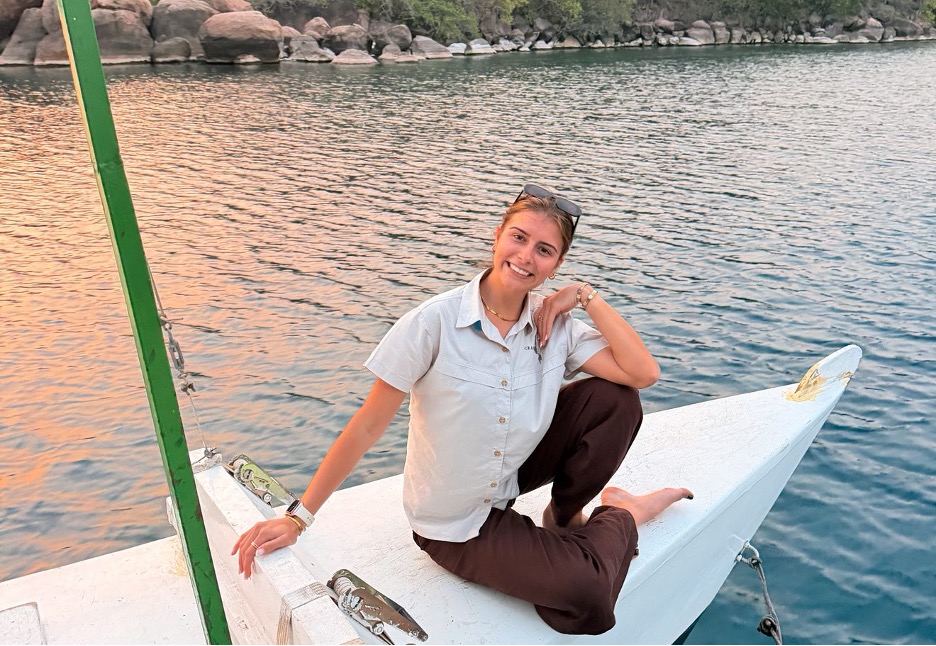
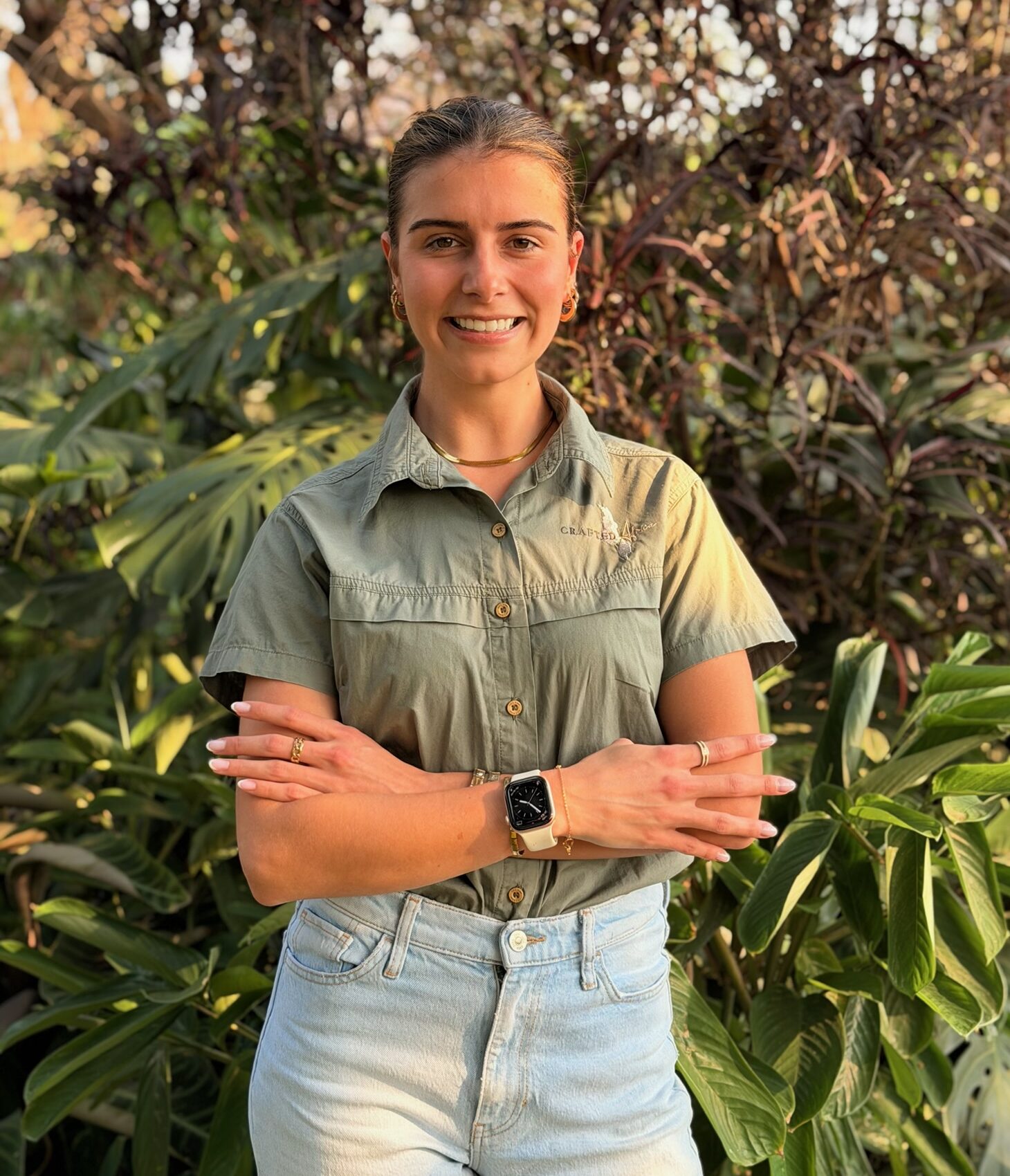
With a background in communications, marketing, content and brand management, Courtney brings both creativity and strategy to Crafted Africa. Her experience spans social media, SEO, digital marketing and content creation, with an earlier career in yachting giving her the opportunity to travel extensively and work with people from around the world. A lifelong love of Africa, wildlife and the outdoors makes this role a natural fit. She enjoys discovering new places, meeting people and capturing the details that make a destination special, whether through photography, storytelling or simply being there. When she’s not creating content, you’ll usually find Courtney hiking, travelling, heading out on safari, taking photos or spending time in nature.

Proceed Booking