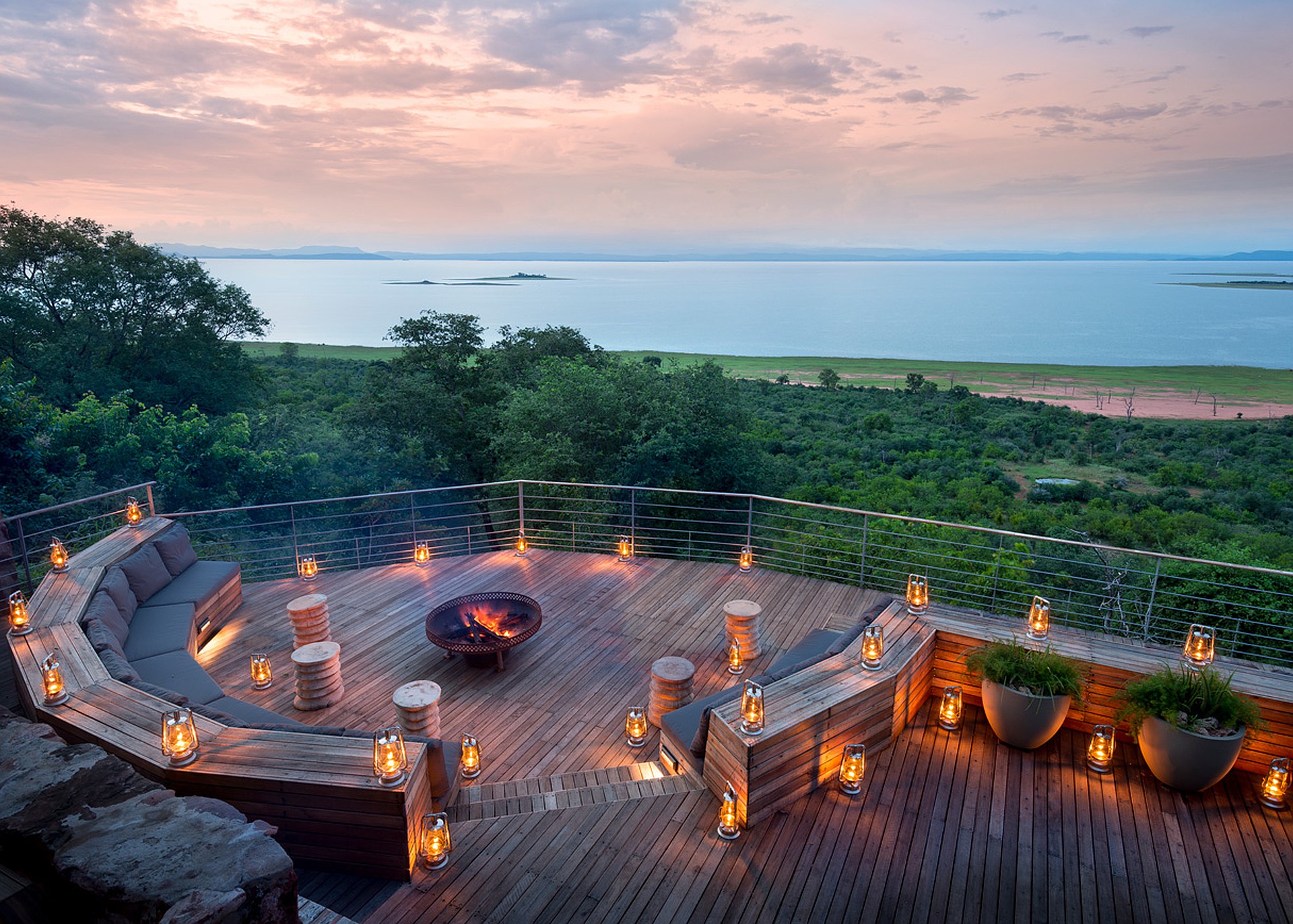
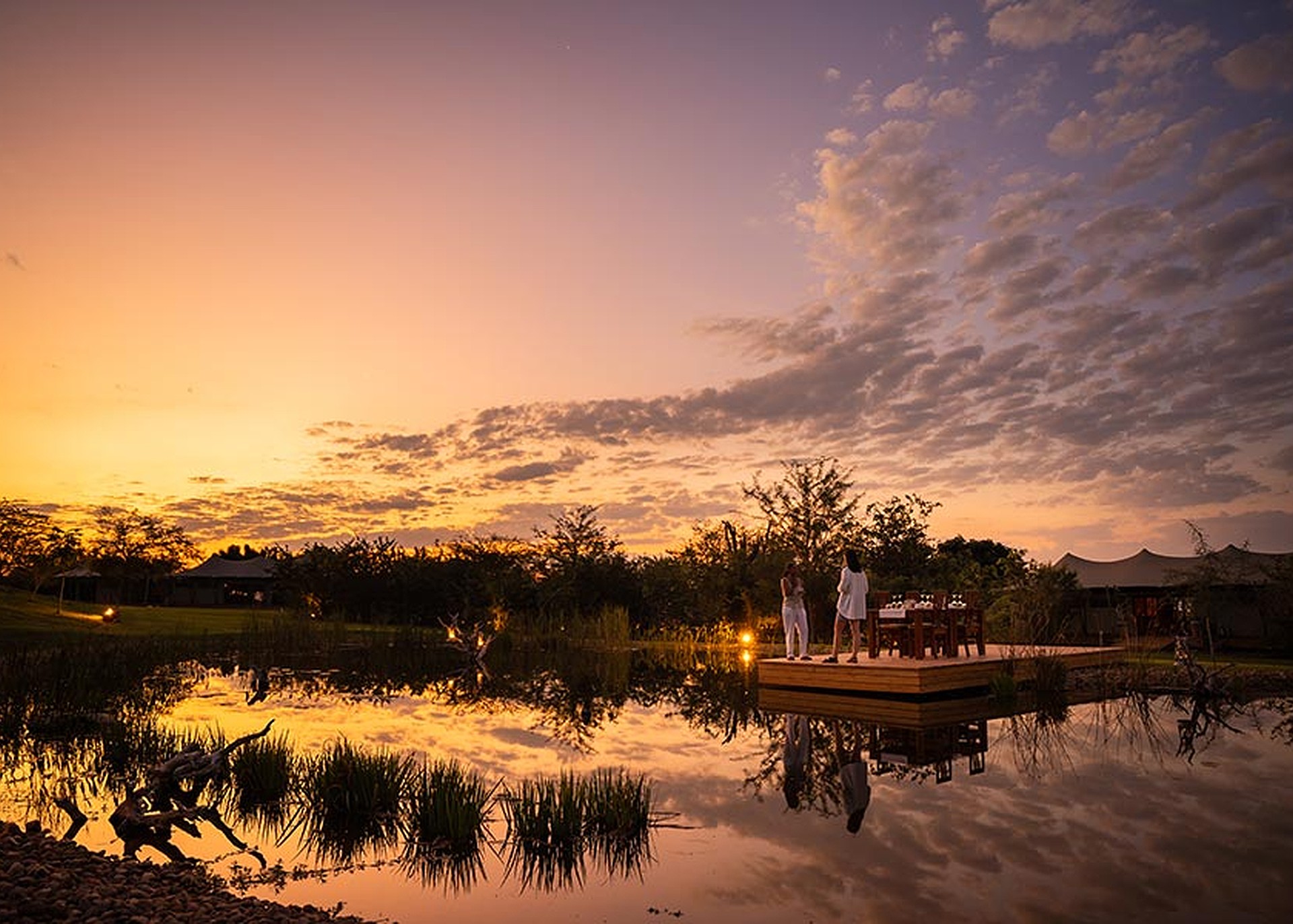
Straddling the border between Zimbabwe and Zambia, Lake Kariba is a place where the sky melts into water and time drifts at the pace of the waves. One of Africa’s largest man-made lakes, it offers a unique blend of raw beauty, tranquillity, and adventure. Though often overlooked by international visitors, Kariba remains a beloved gem for locals a place where memories are made under the golden African sun.
Lake Kariba offers far more than just a stunning view. Houseboat cruises are a signature experience here slow, serene journeys where travellers float through wild, untouched landscapes. Anglers can take on the fierce tigerfish, while nature lovers spot elephants, crocodiles, and hippos along the shore. Just nearby, Matusadona National Park promises close-up encounters with wildlife framed by rugged mountain ranges.
Beyond the peaceful water, Kariba holds a fascinating history and a thriving ecosystem. The creation of the Kariba Dam in the 1950s gave rise to what became the world’s largest reservoir by volume. Its curved dam wall remains an impressive feat of engineering, and the lake itself has grown into a sanctuary for fish, birds, and mammals offering rich biodiversity and natural wonder in every direction.
Accommodation around Lake Kariba ranges from simple campsites and lakeside lodges to elegant houseboats and floating safari suites. Whether guests are looking for luxury or something more rustic, there’s an option to suit every style. Watching a Kariba sunset from a houseboat deck, drink in hand, is an experience that stays with you long after the journey ends.
The name ‘Kariba’ is derived from ‘kariva’, meaning trap or bridge, reflecting the rock formations that once narrowed the mighty Zambezi. Today, that same spirit of strength and connection lives on in the communities that surround the lake. Fishing, both commercial and recreational, thrives here—thanks in part to kapenta, a sardine-like fish introduced in the 1960s, now a staple in the local economy.
Lake Kariba is perfect for anyone seeking something deeper than the typical tourist trail. It calls to those who long for slow travel, who value peace, nature, and the gentle rhythm of life on the water. Couples, families, solo travellers, photographers, and adventurers alike will find something special here. It’s a place to pause, breathe, and fall in love with Africa’s quieter side.