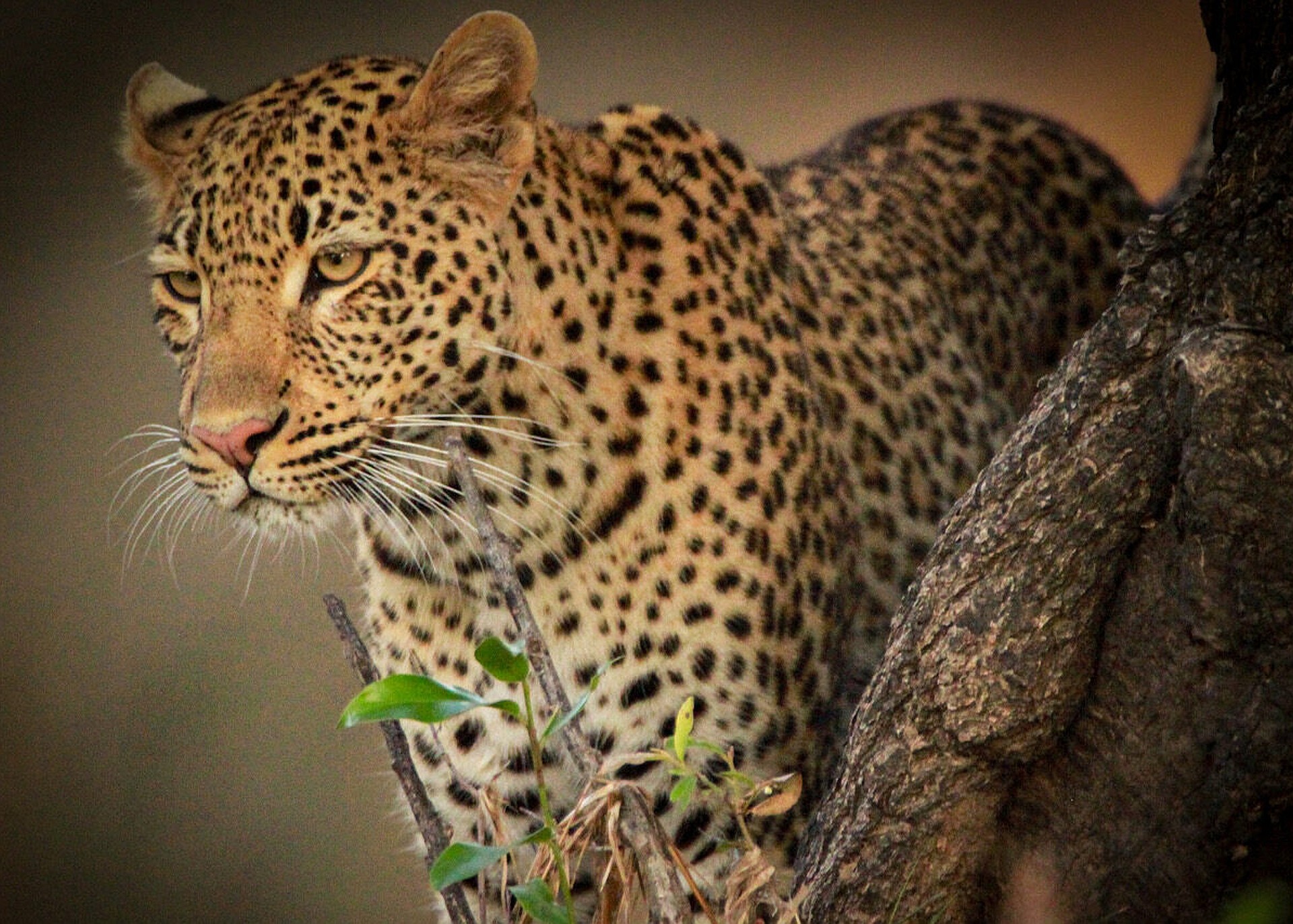
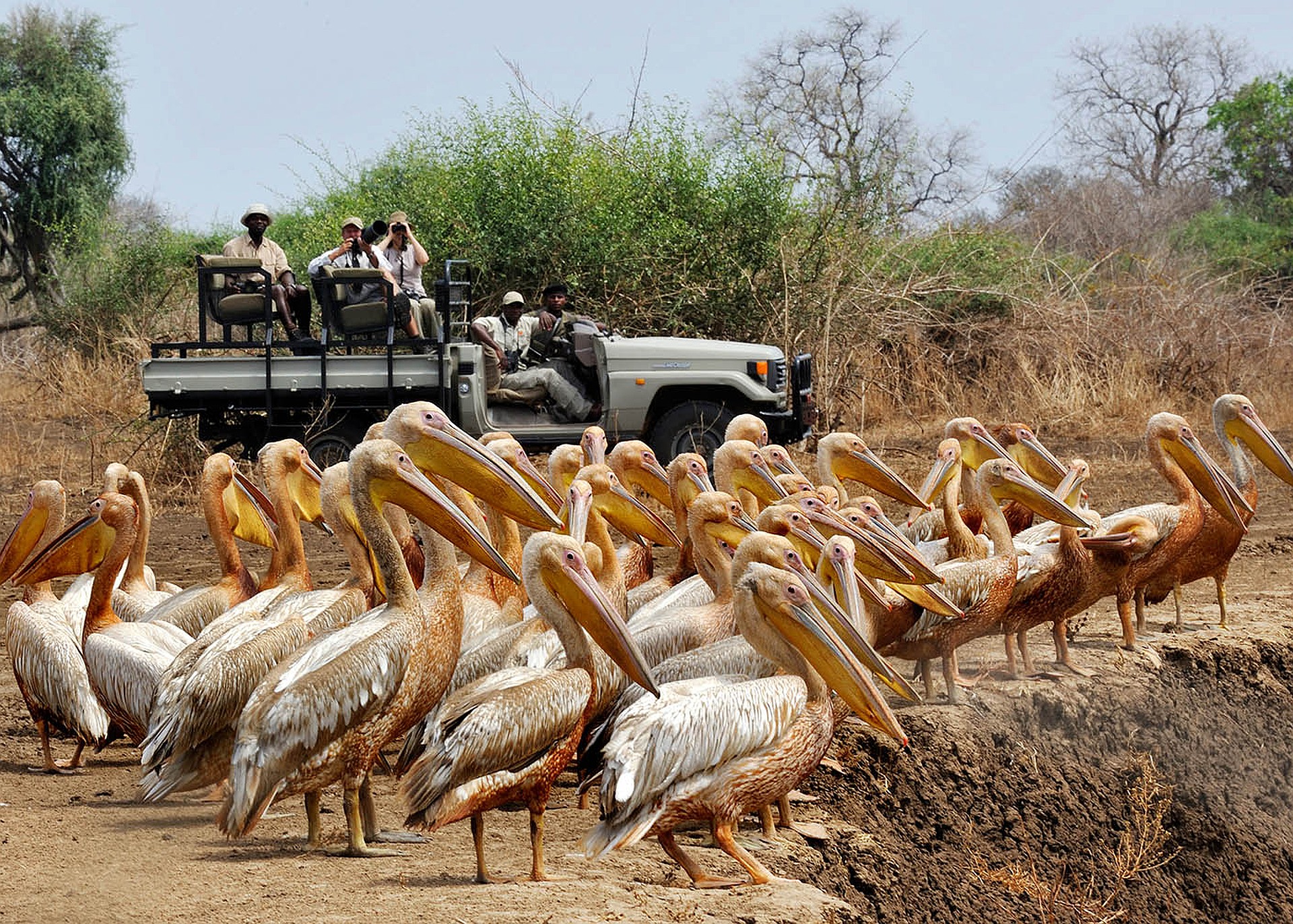
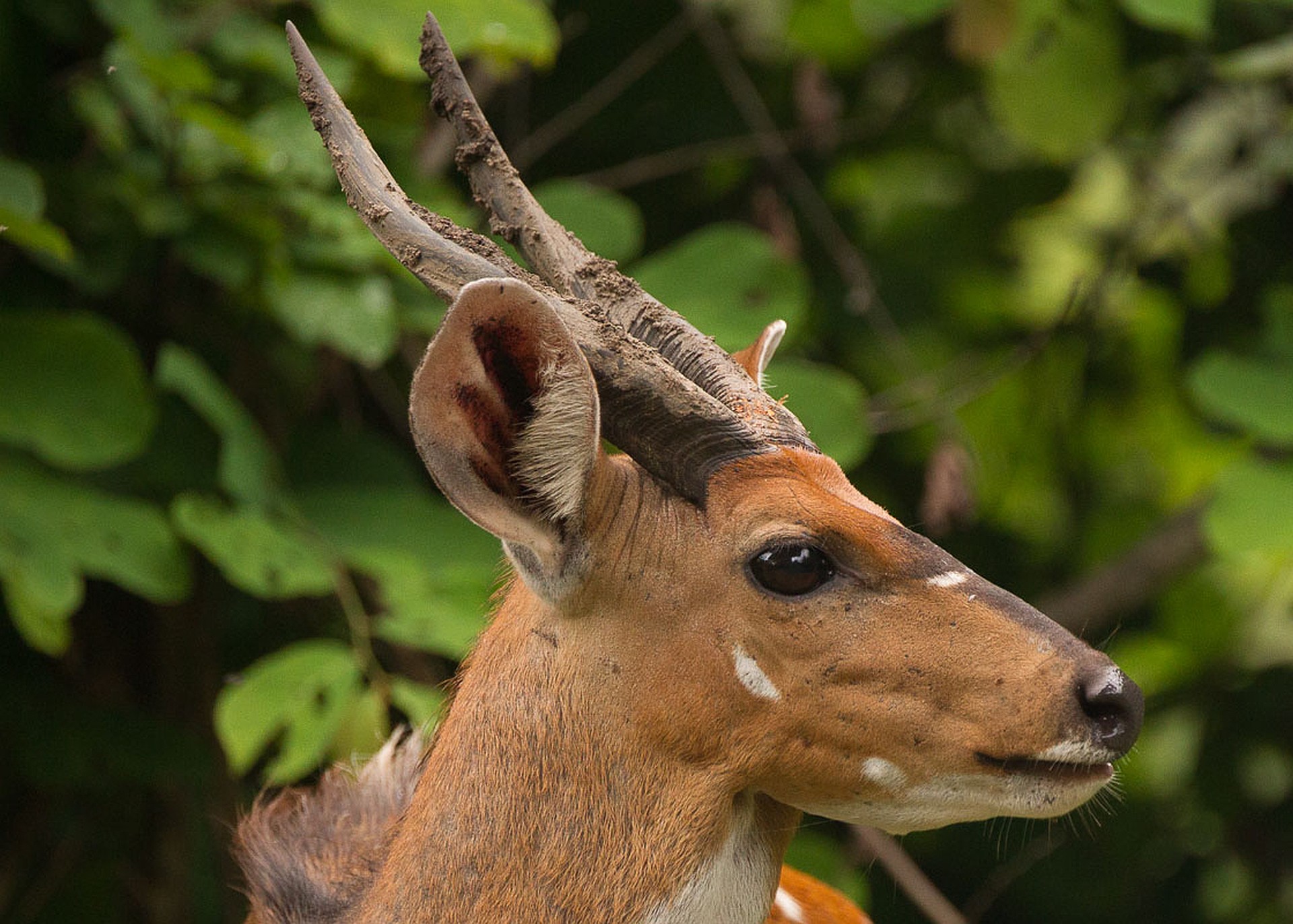
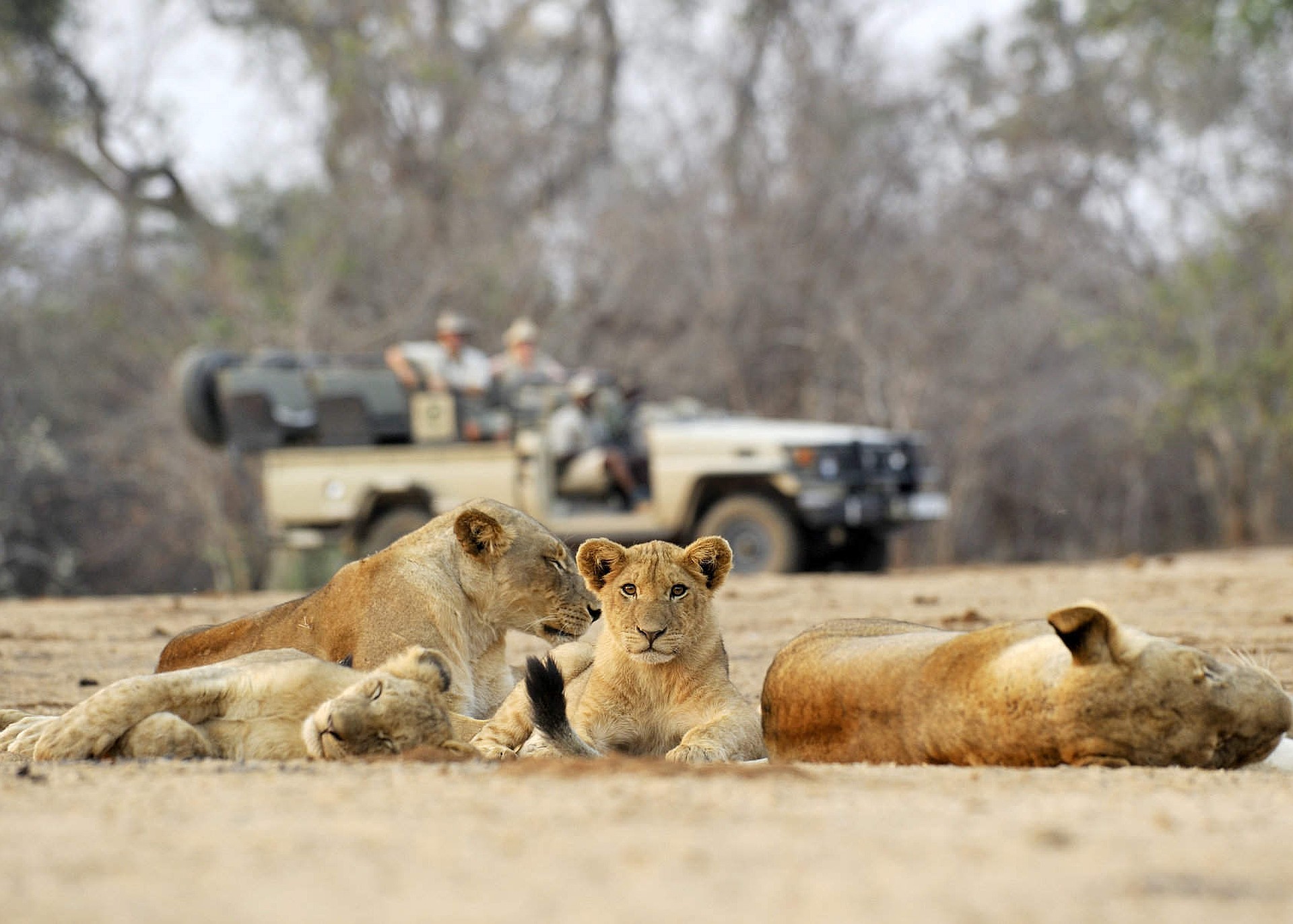
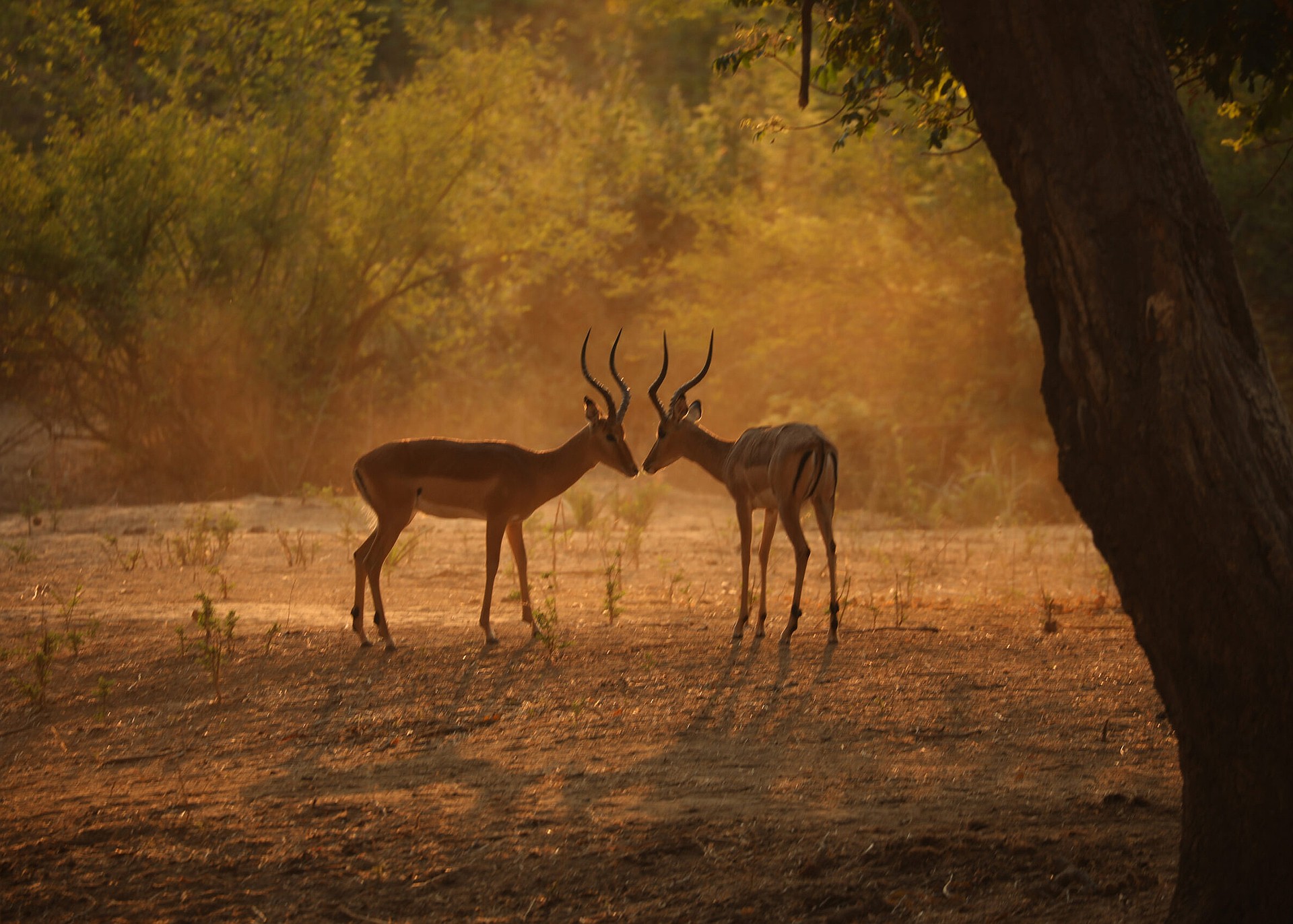
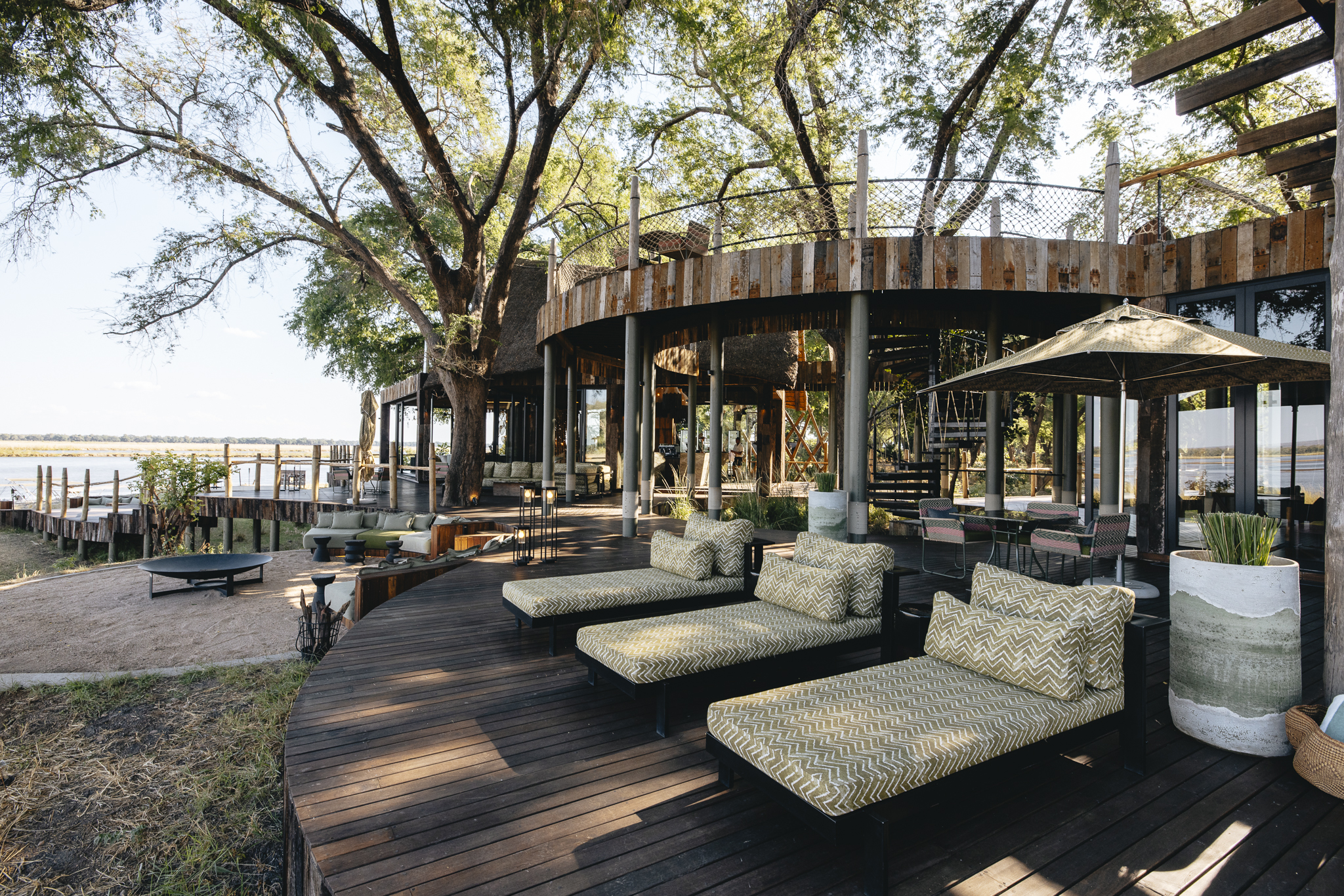
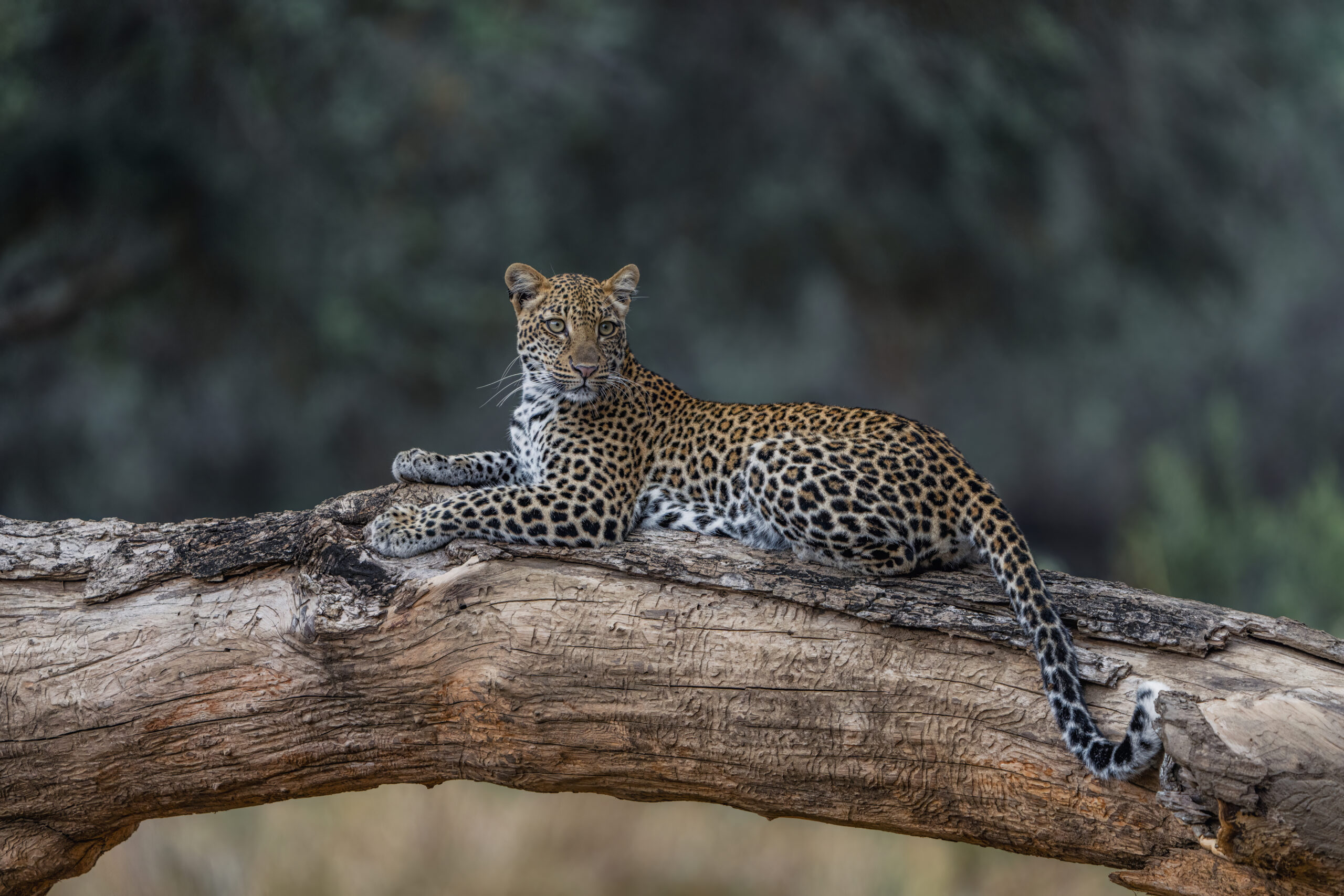
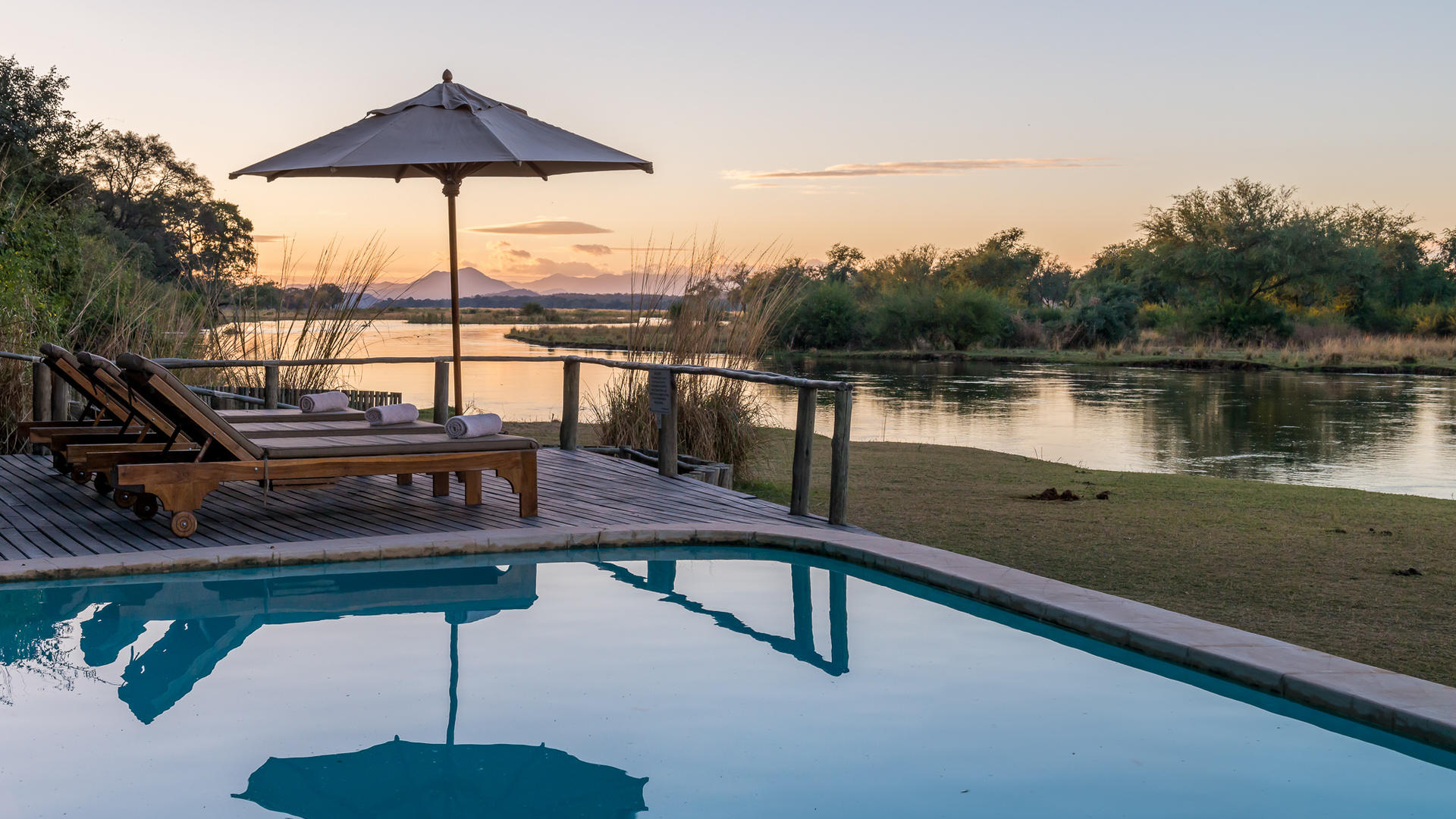
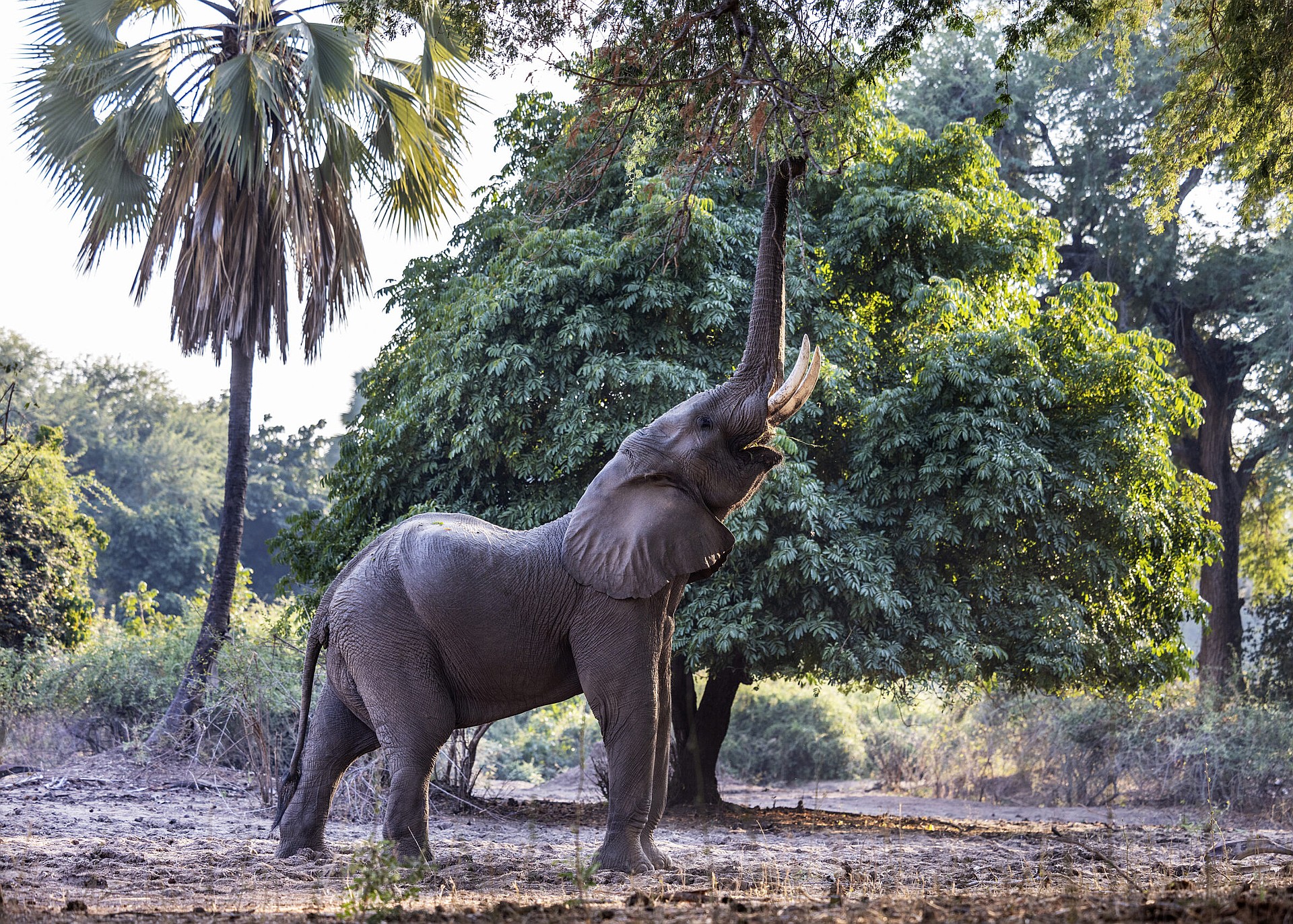
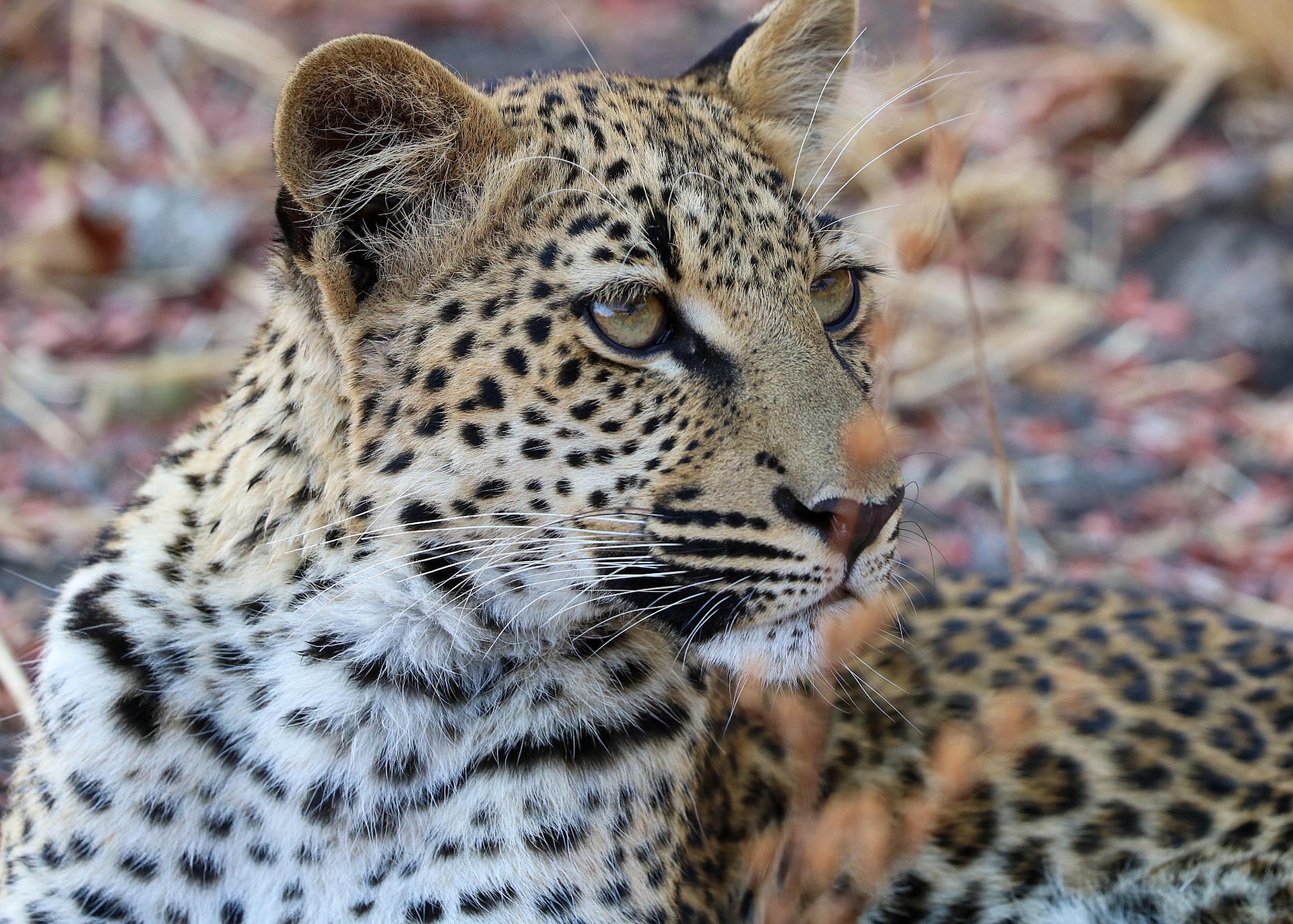
Join us on a thrilling adventure with our selection of tours in Zambia. Witness the Big Five and other fascinating wildlife in South Luangwa, Lower Zambezi, Kafue, Liuwa, North Luangwa, and Luambe National Parks. Experience the unique ecosystems that make these parks a nature lover’s paradise.
Experience the thrill of a wildlife safari and immerse yourself in the breathtaking beauty of Victoria Falls, one of the Seven Natural Wonders of the World. Our tours also provide a chance to explore the historic town of Livingstone, where you can indulge in the rich culture and history of the region.
Our expert guides are passionate about showcasing Zambia’s rich natural beauty, diverse cultures, and captivating history. With our tours, you’ll have the opportunity to immerse yourself in an authentic and inspiring journey that you’ll never forget.
The best time to visit Zambia for a safari is during the dry season, typically from May to October. June to August is particularly popular, as wildlife congregates around water sources and the weather is generally cooler.
The ideal duration for a safari in Zambia can vary depending on your interests and the areas you want to explore. A typical safari trip ranges from 7 to 14 days, allowing time for multiple game drives, cultural experiences, and visits to key attractions.
The cost of a Zambia safari tour can vary widely depending on factors such as trip length, accommodation style (luxury, mid-range, or budget), and included activities. On average, safari tours in Zambia range from around $2,000 to $8,000 per person, or more for high-end itineraries.
Yes, Zambia is an excellent destination for safari. The country is known for its pristine wilderness, diverse ecosystems, and abundant wildlife. National parks such as South Luangwa and Lower Zambezi offer some of the most rewarding safari experiences in Africa.
The rainy season in Zambia typically runs from November to April. During this time, landscapes are lush and green, but some areas may be difficult to access due to rainfall. Wildlife viewing is still possible, though denser vegetation can make sightings more challenging compared to the dry season.