We work to restore degraded land through tree planting and natural regeneration, helping to rebuild ecosystems and strengthen long-term community stewardship of the landscape.
Our approach includes planting indigenous tree species, introducing fruit trees and supporting assisted natural regeneration in degraded areas connected to tourism communities. Together, these efforts aim to encourage the recovery of natural habitats while supporting the relationship between local communities and the landscapes they depend on.
Our focus for this project is to support Zomba Treez forest restoration, wildfire prevention, increasing local employment and environmental education. This small organisation is Zomba undertakes natural regeneration, afforestation and tree nursery work around Zomba Plateau.
A major priority in 2026 has been funding fire prevention efforts, which mainly include community patrols during the dry season. Community members undertake conservation activities and recieve an income through funded restoration work.
Meet Some of
Malawi’s Indigenous Tree Species.
Malawi is home to a rich variety of indigenous trees, from the woodlands that stretch across much of the country to the distinctive forests of its mountains. Reforestation is not simply about increasing tree cover. It is also about understanding which species belong in a landscape, supporting their regeneration and protecting the habitats they help sustain.

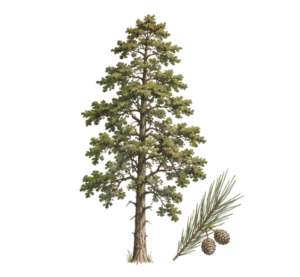
Malawi’s iconic national tree, found naturally nowhere else in the world except on Mount Mulanje Massif. This distinctive conifer is an important part of the mountain’s forest heritage and has suffered severe losses from over logging and fires.

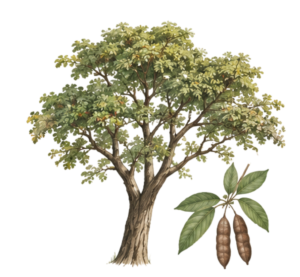
Locally known as Mlombwa in Malawi, this indigenous woodland tree is recognised for the reddish sap released when its bark is cut. It highly valued for it’s strong and termite resistant timber and is wideley found throughout Southern African woodland.

Known locally in Malawi as Phingo, this slow-growing tree is valued for its dark, dense wood, traditionally used in carving and handicrafts. Decades of overexploitation have raised conservation concerns, particularly in Malawi, where an earlier national assessment classified the species as endangered.

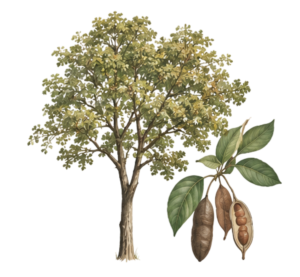
An indigenous African tree recorded in Malawi’s protected tree listings. It is a useful example of the native hardwood species that form part of the country’s woodland heritage. locally as Msamba Fumu. It is a native forest tree that produces distinctive, large woody pods containing black seeds with bright red/orange caps.