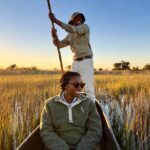
In the heart of Liwonde National Park, there is a Lodge nestled by the banks of the shire river, here there is an active effort to look after the environment. During our recent trip to Mvuu Lodge, I discovered the work happening behind the scenes to protect the surrounding environment, wildlife, support communities and make every stay a little more greener.
Our recent visit to Mvuu Lodge in Liwonde National Park was definitely filled with the moments you hope for on safari. Amazing wildlife sightings, beautiful surroundings and some incredible hospitality from the Mvuu team.
Other than all this, there was something else that really stood out to us. It was all the work happening to look after a place like Liwonde.

Running a lodge in the middle of a park comes with its challenges, specifically when it comes to electricity and water. At Mvuu, I was interested to see how they make operations more environmentally conscious.
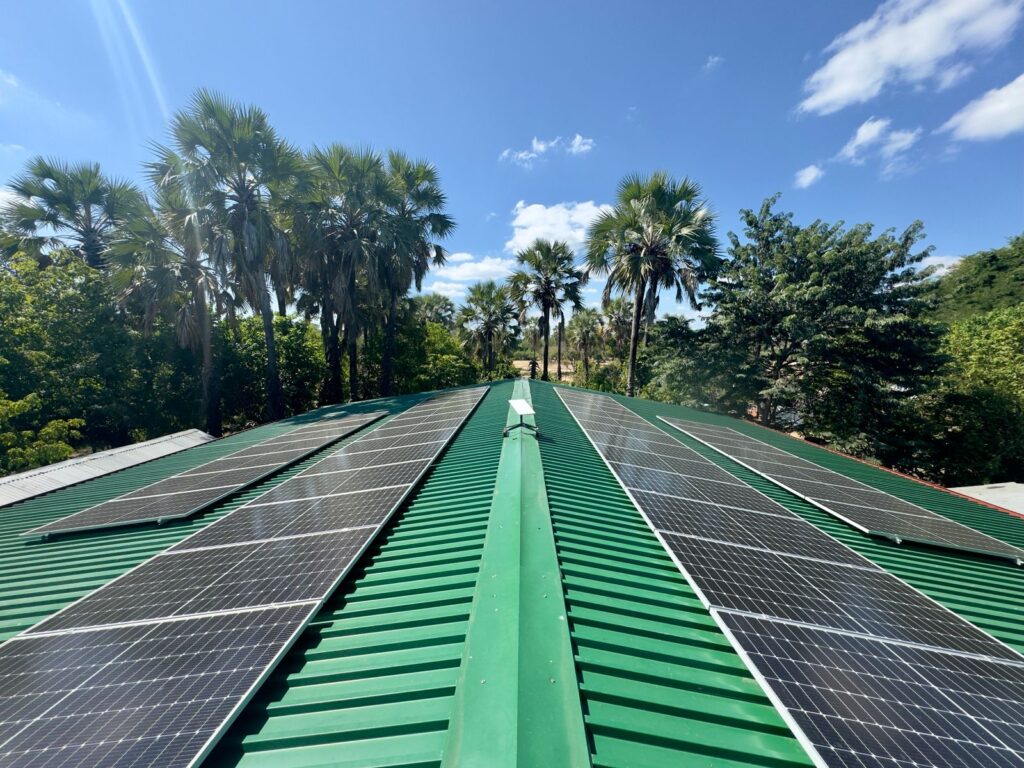
Solar energy plays a central role across the lodge and camp, with panels installed on the roofs of the workshops and a solar system helping power the property. The camp has separate solar panels running all the water, this includes the showers, boilers, taps and toilets.
Backup diesel generators provide additional support when needed during the cloudier times, which fortunately is not often in such a sunny location like Liwonde. At the same time there are plans to expand the solar capacity by next year, which will help move operations towards greater energy independence.
Mvuu lodge and camp uses borehole water, collected and stored in three large tanks to supply the lodge and camp. It is a reminder that operating in remote areas requires properly thought through resource management, particularly where water and electricity is concerned.

One thing that really stood out was Mvuu’s commitment to eliminating plastic, particularly single use plastics. And it wasn’t just a quote written somewhere. It was something I noticed throughout the entire experience.
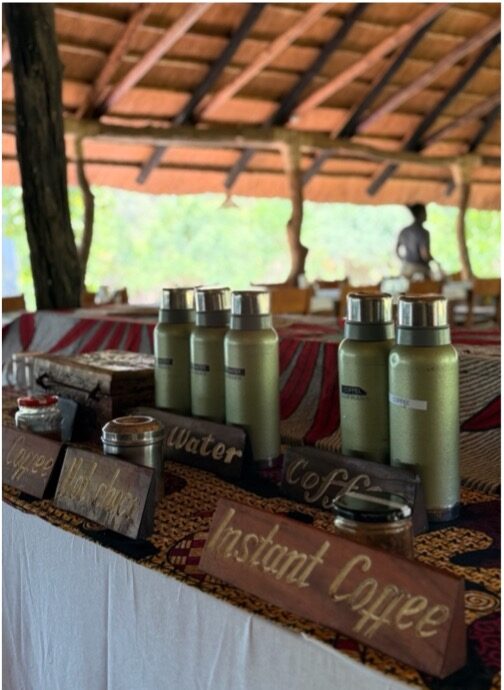
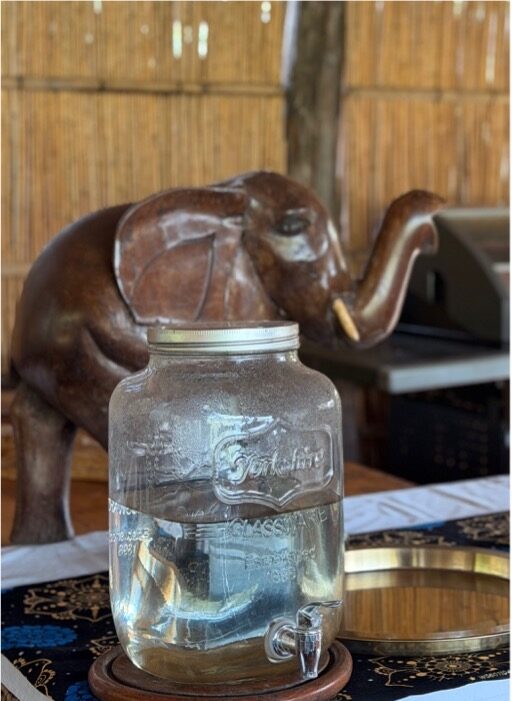
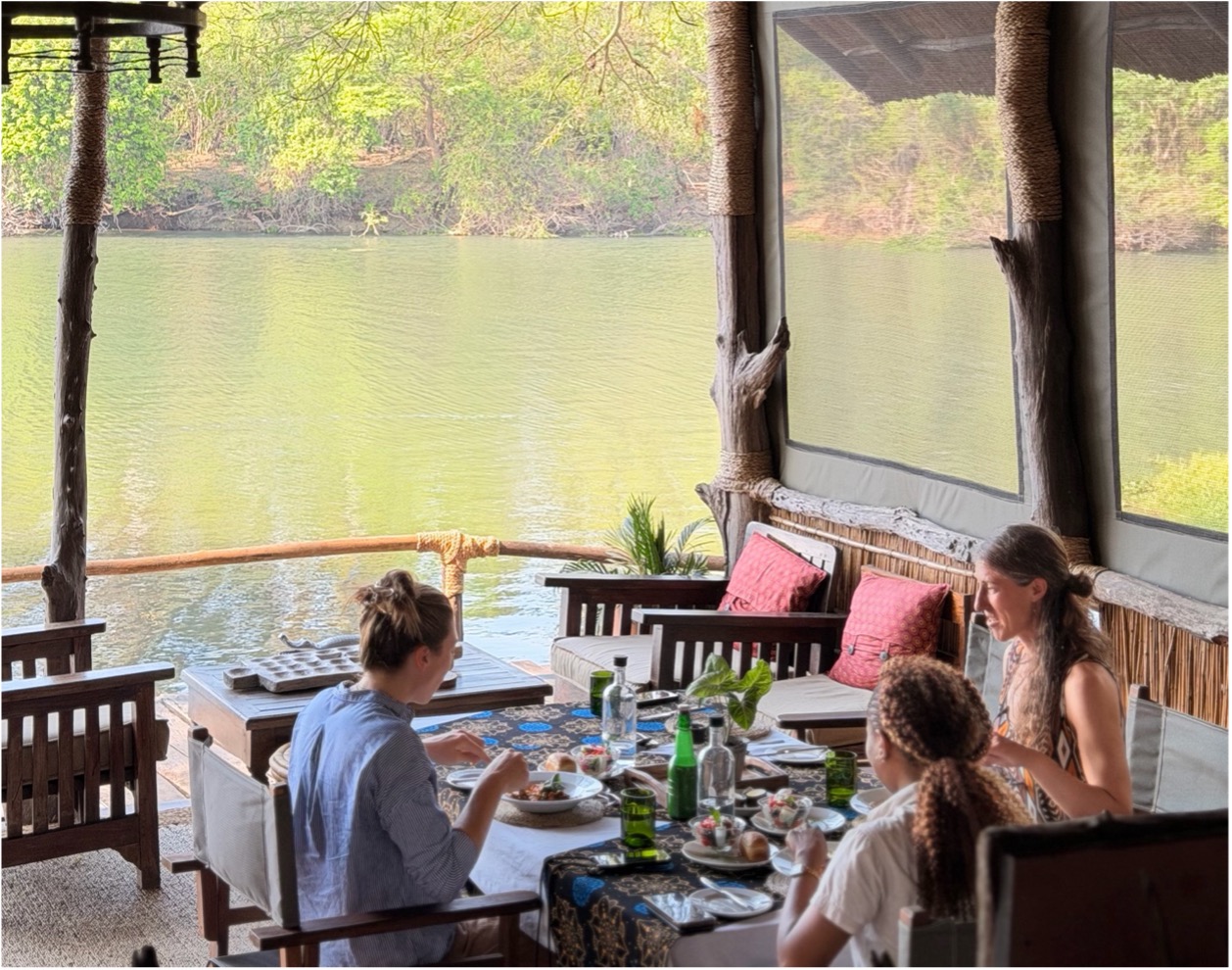
Across the dining areas, glass, stainless steel and wooden alternatives replaced plastic tableware and other items. Table mats that would have easily been cheap plastics were replaced with beautifully handmade woven mats, and the glasses we drank our freshly squeezed juices were repurposed wine bottles.
In the rooms, bathroom essentials such as body wash and shampoo were presented in glass bottles, with cork stoppers replacing the usual plastic caps. Paper disposal bags were provided for sanitary products, as well as decorative touches that included fresh flowers, recycled paper and wood.
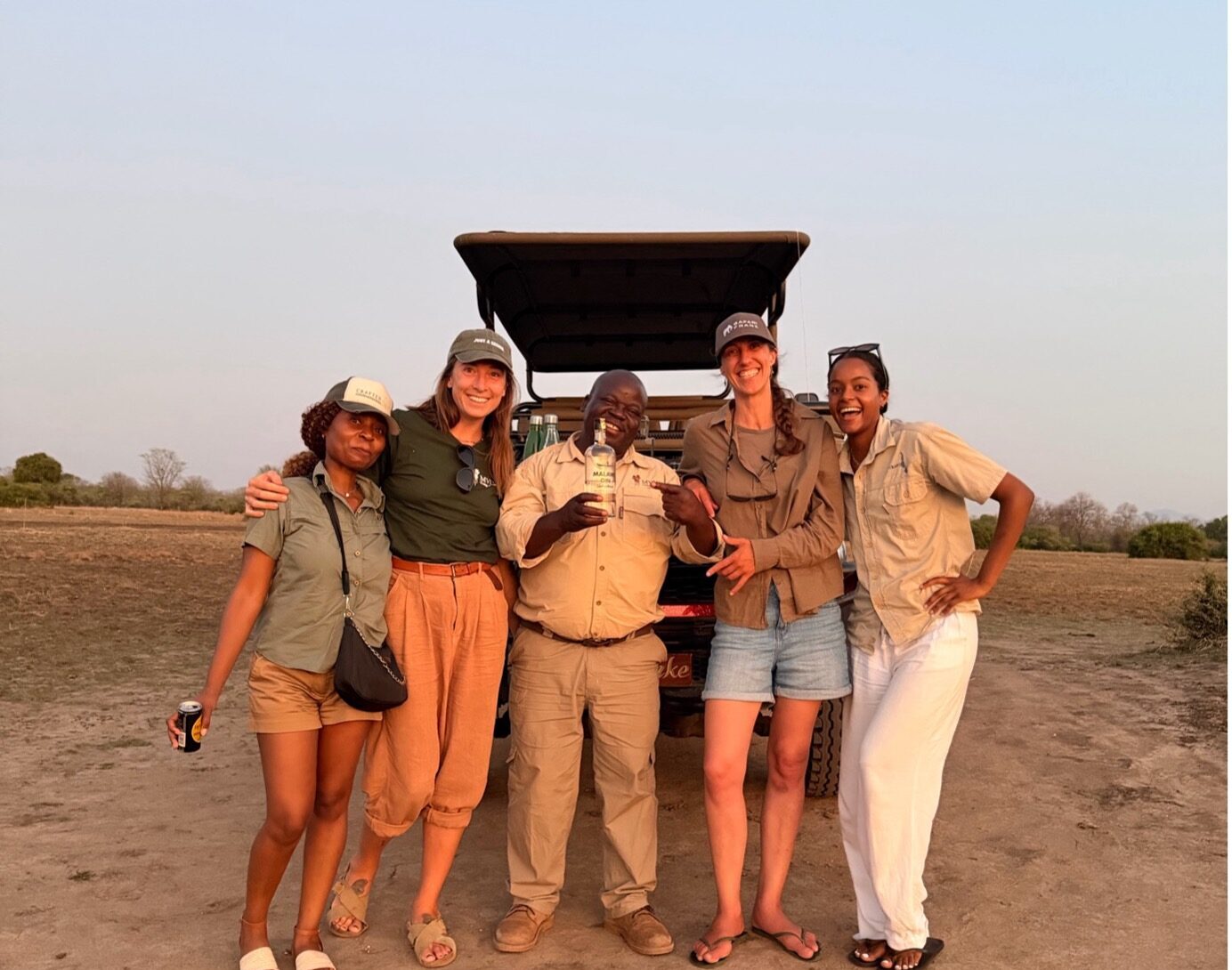
Even on our game drives, I noticed our stainless steel coffee mugs, the stackable steel tupperware that kept our freshly baked cookies and the reused jam jars to store the tea bags. I particularly appreciated the stainless steel cups when it kept our icey gin and tonics cold for longer during the 30 degree sundowners.
Mvuu is a great reminder that reducing plastic doesn’t have to mean compromising on the guest experience. In fact, these alternatives added to the natural, understated feel of the lodge.
This is exactly the kind of approach we love to see, sometimes sutainability and making an impact does not have to be from big investments. But it is the little touches, and when you pay attention and look closely you will see the that everyday items, habits and materials we choose to keep in a space makes a big impact when put all together.
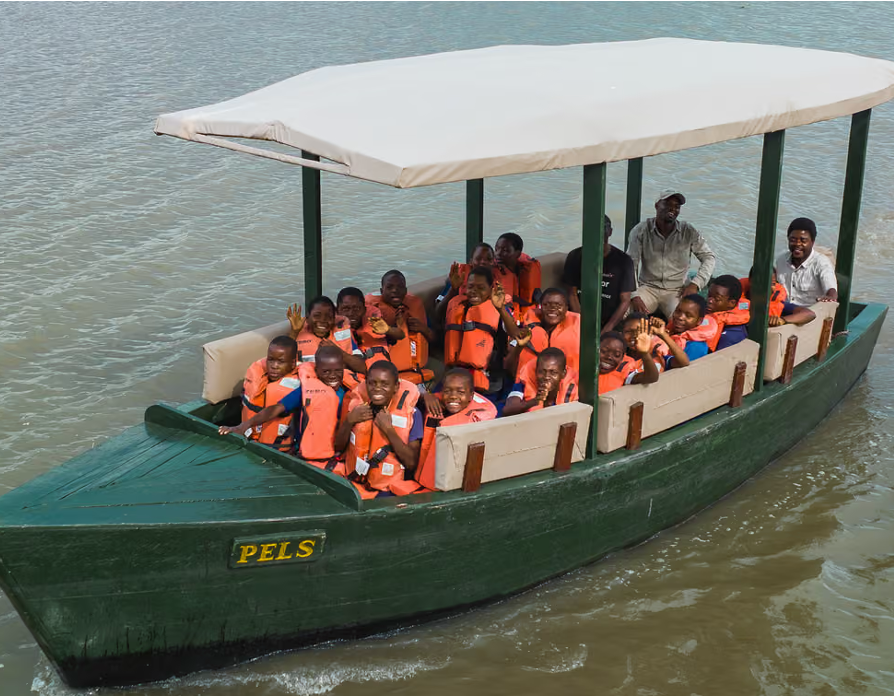
Children in the Wilderness Malawi is a programme that places environmental education and community involvement at the core of Mvuu’s conservation efforts.
What began with just ten children attending the first camp at Mvuu in 2003 has grown into what is now a much bigger programme, with Eco Clubs now reaching children across 15 partner primary schools in the surrounding communities.
Through environmental education, school activities and experiences in the national park, children and young adults are given the opportunity to understand the bush, wildlife, and environment around them and the importance of protecting it.
The programme creates opportunities for young people to build confidence, develop practical skills and see a future for themselves in the conservation and tourism industry. Today Mvuu has exceptional guides and staff that grew up taking part in this programme. There are also initiatives focused on creating more opportunities for women in guiding, helping build a more inclusive future for the safari industry.
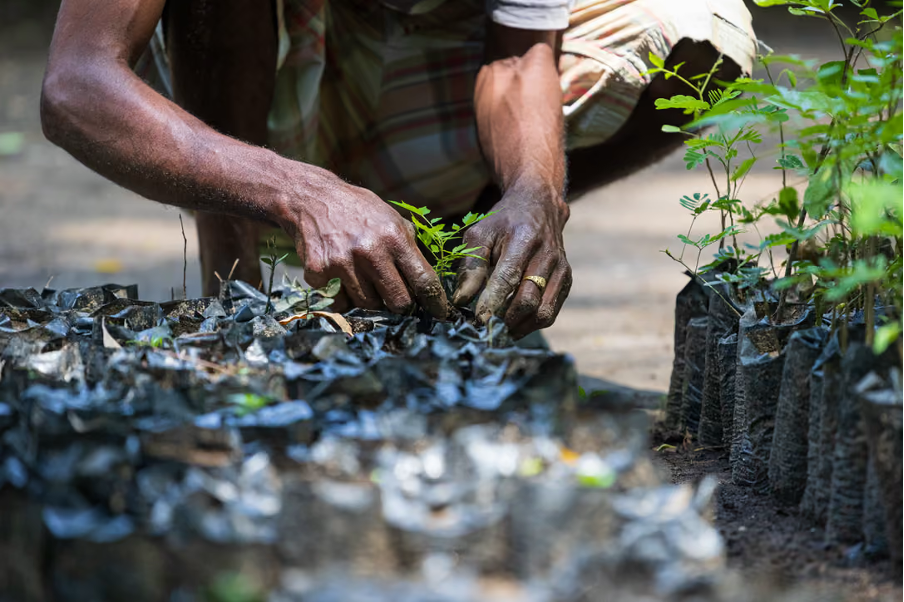
Working with local nurseries, Tree Clubs and trained community members, the initiative distributes seedlings, provides support with planting and follows up to monitor their survival.
And the numbers are pretty good.
According to the programme’s figures, more than 426,000 trees have been planted since the initiative begun, with approximately 375,000 recorded as surviving. The initiative has also involved over 2,400 participating clubs and institutions.
What makes this meaningful is the involvement of local communities. By supporting nurseries, training local planters and encouraging continued care, Root to Fruit creates opportunities for people to take a role in making a living from their own natural surroundings.
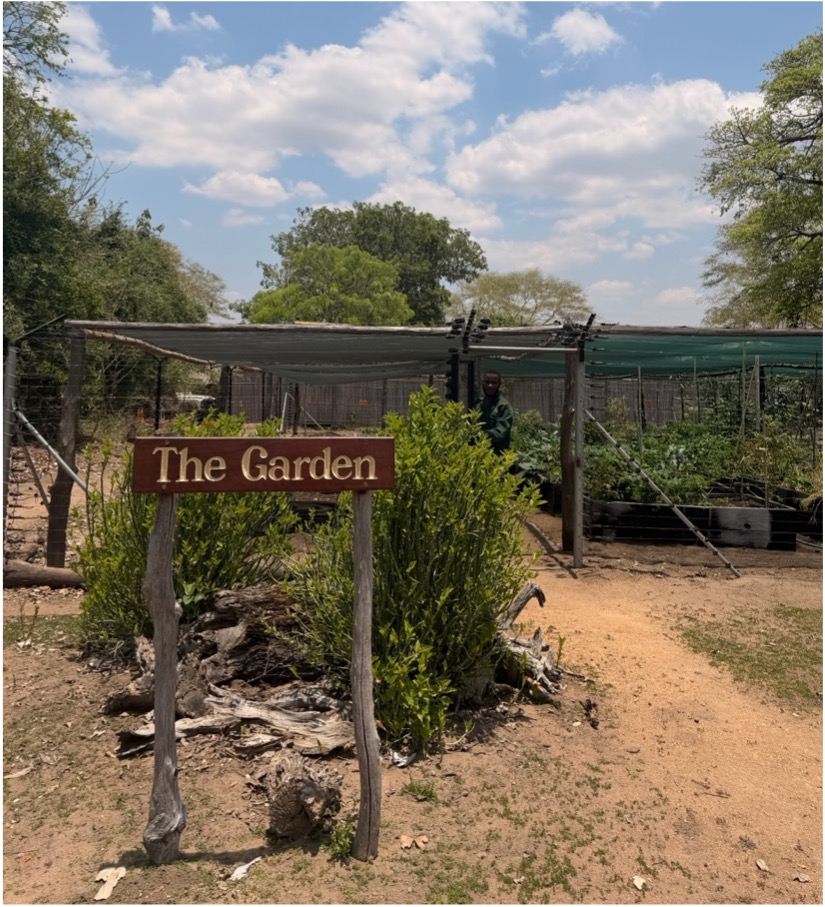
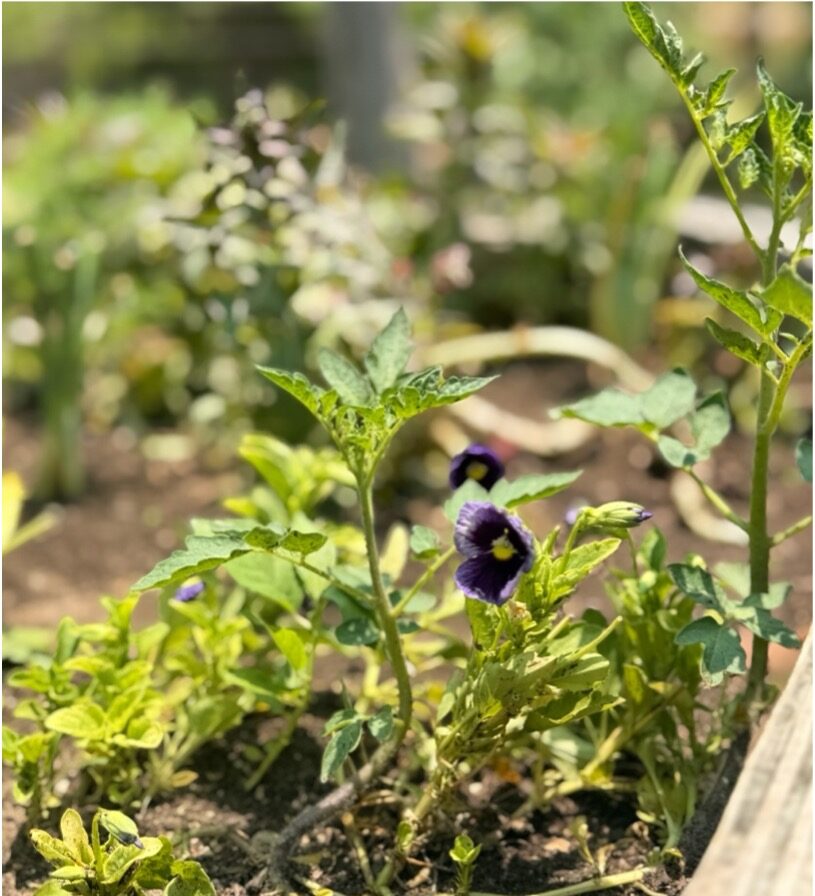
Tucked within the camps workshop, Mvuu’s very own vegetable garden was full of fresh produce, from carrots, lettuce, tomatoes and squash to a range of chillies and herbs. There were even little edible flowers making their way onto our plates, adding a cute finishing touch to some of our plates. Violas, is what I think they were called.
What made our meals even more enjoyable is knowing how much of that produce made its way from the garden to the lodges kitchen, then to our table. Because honestly, food always tastes better when you know where it came from.
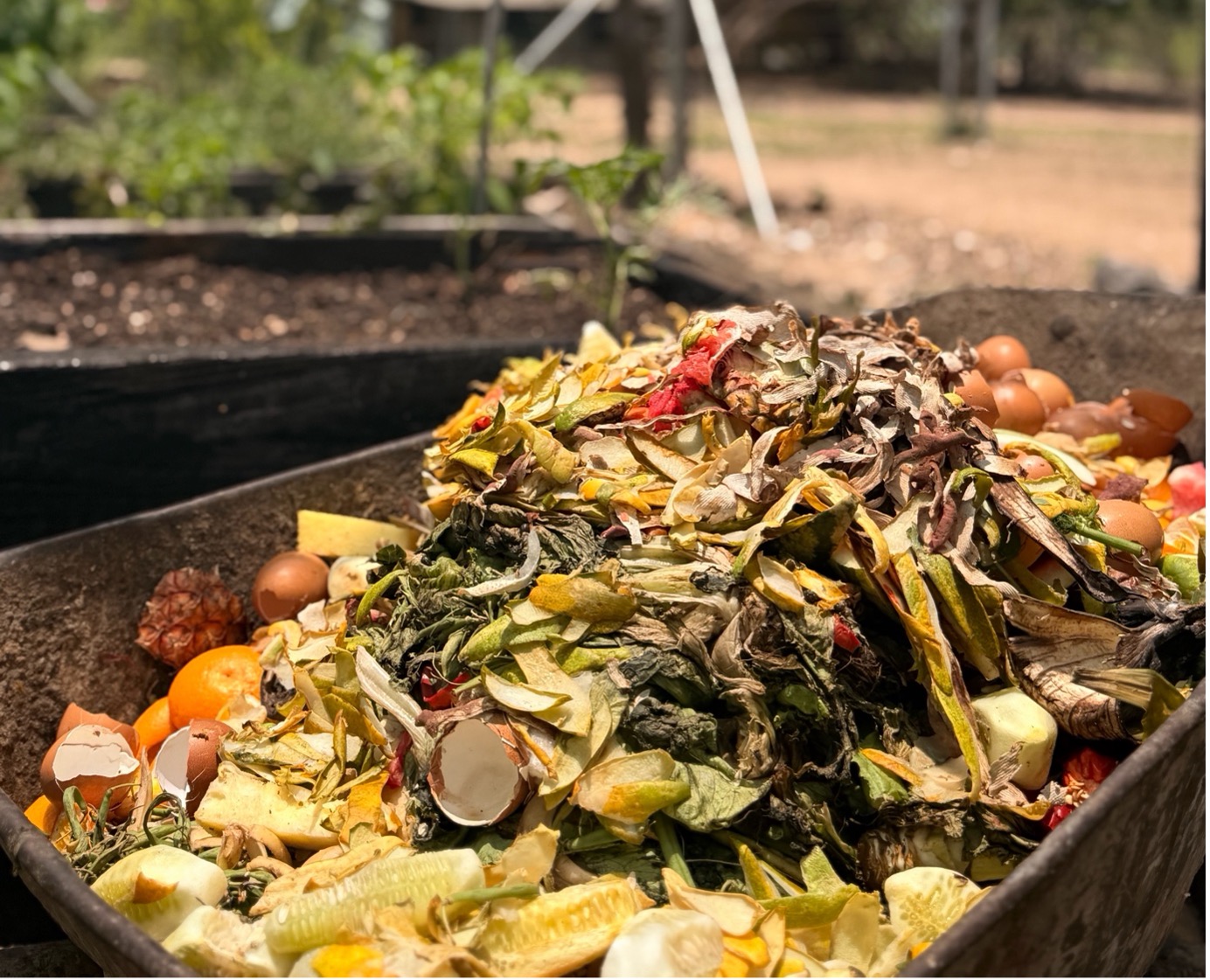
Mvuu also puts its organic waste to good use, with food scraps and other biodegradable waste from the lodge and camp being turned into compost to fertilise the garden. Rather than these being thrown away, they are turned into a useful resource and returned back to the soil to keep the garden healthy, and most importantly keeping the guests asking for seconds.
The property also prioritises sourcing vegetables locally, working with growers in Zomba and nearby suppliers, including stores such as Chipiku. Through community-focused initiatives connected to GIZ, they also support local farmers in growing and supplying fresh produce, helping strengthen local livelihoods and food networks.
GIZ is a German development organisation who work in Malawi in areas including agriculture, food security and improving opportunities for smallholder farmers. Supporting local agriculture helps improve livelihoods while encouraging sourcing from more local food suppliers.
This trip at Mvuu was a reminder of why the destinations Crafted Africa chooses to work with matter.
As a DMC, we want to be thoughtful about the partners we work with, the properties we recommend and the experiences we create. Choosing a destination for how beautiful it is, is not enough, we are also taking more of an interest with how they engage with their communities and what they are doing to reduce their environmental impact.
This is also closely connected to the work of the Crafted Africa Foundation, which is focused on encouraging more responsible practices across the tourism industry.