Login

Sign Up

After creating an account, you'll be able to track your payment status, track the confirmation and you can also rate the tour after you finished the tour.
Username*
Password*
Confirm Password*
First Name*
Last Name*
Birth Date*
Email*
Phone*
Country*
* Creating an account means you're okay with our Terms of Service and Privacy Statement.
Please agree to all the terms and conditions before proceeding to the next step

Already a member?

Login

Botswana Safari Guide: From the Kalahari to the Okavango Delta and Chobe

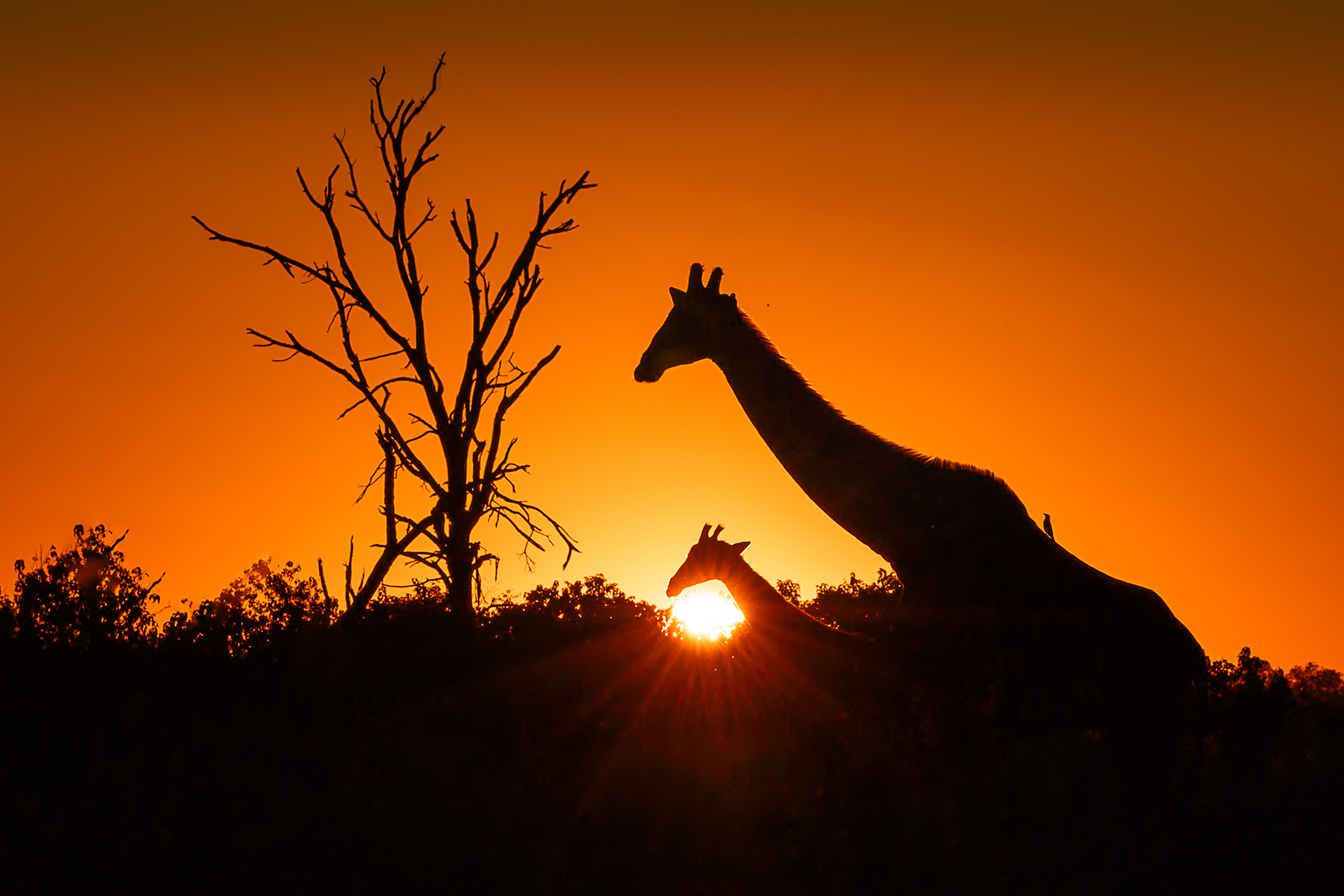
There is a particular kind of magic in Botswana that comes from how quickly the landscape changes beneath you. In the space of a single trip, you can wake up in the dry gold grasslands of the Central Kalahari, have lunch overlooking a papyrus lined lagoon in the Okavango Delta, and have dinner in front of a floodlit waterhole in Chobe’s Savuti region. Few countries in Africa let you move through so many distinct worlds while still feeling entirely connected to one another and having spent time moving between these places myself, I can tell you that the shift never stops feeling special, no matter how many times you experience it.

I recently had the wonderful opportunity of visiting Botswana moving between the Kalahari, the Okavango Delta, and Chobe, staying with both Ker & Downey and Desert & Delta Safaris and I have wanted to tell everyone about it ever since I got home. What stayed with me most is how different each region feels, even though you can move between them in a single day. One morning you are watching golden light spread over dry Kalahari grassland, and by afternoon you are gliding past papyrus in the Delta. That range is part of what makes Botswana so amazing to plan a trip around.

Why Visit Botswana 

Botswana built its reputation on low volume, high value tourism and traveling through it in person makes that philosophy easy to understand. Rather than large lodges with dozens of vehicles competing for the same sighting, most camps here are small, often no more than seven to twelve rooms, tucked into private concessions where the traversing rights belong to that camp alone. The result is a sense of space and privacy that is genuinely rare and it changes how wildlife behaves too. Lions, leopards and elephants in these areas tend to move with a calm that comes from far less vehicle pressure over time.

At the same time, not every part of Botswana operates as a private concession. Khwai, in the eastern part of the Okavango, is community managed, which means tourism revenue flows directly to the local village through bed levies, park fees, and activity fees, supporting healthcare, education and infrastructure. It is a genuinely positive model, though it does mean more operators share the same area, and I will be honest with you about what that looks like on game drives later in this guide.

Best Time to Visit

Botswana’s safari calendar is shaped heavily by water and that shows up differently depending on which region you are in.

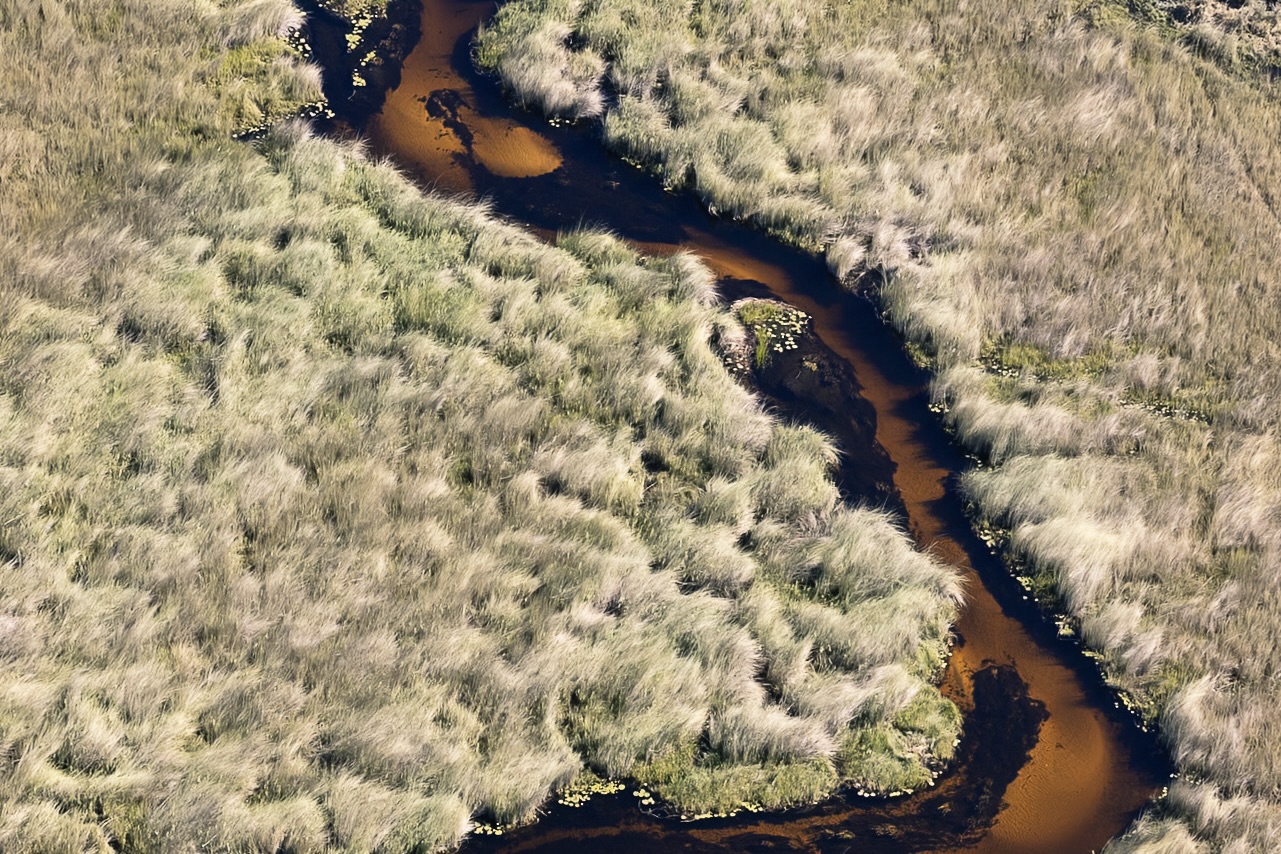
One particularly fascinating aspect of the Okavango Delta is its annual flood, which arrives during Botswana’s dry season. Rainfall in the Angolan highlands feeds the Okavango River, with the water taking several months to reach the Delta. Water levels generally rise between April and August, depending on the area and the year, creating the flooded plains and waterways that make this ecosystem so extraordinary.

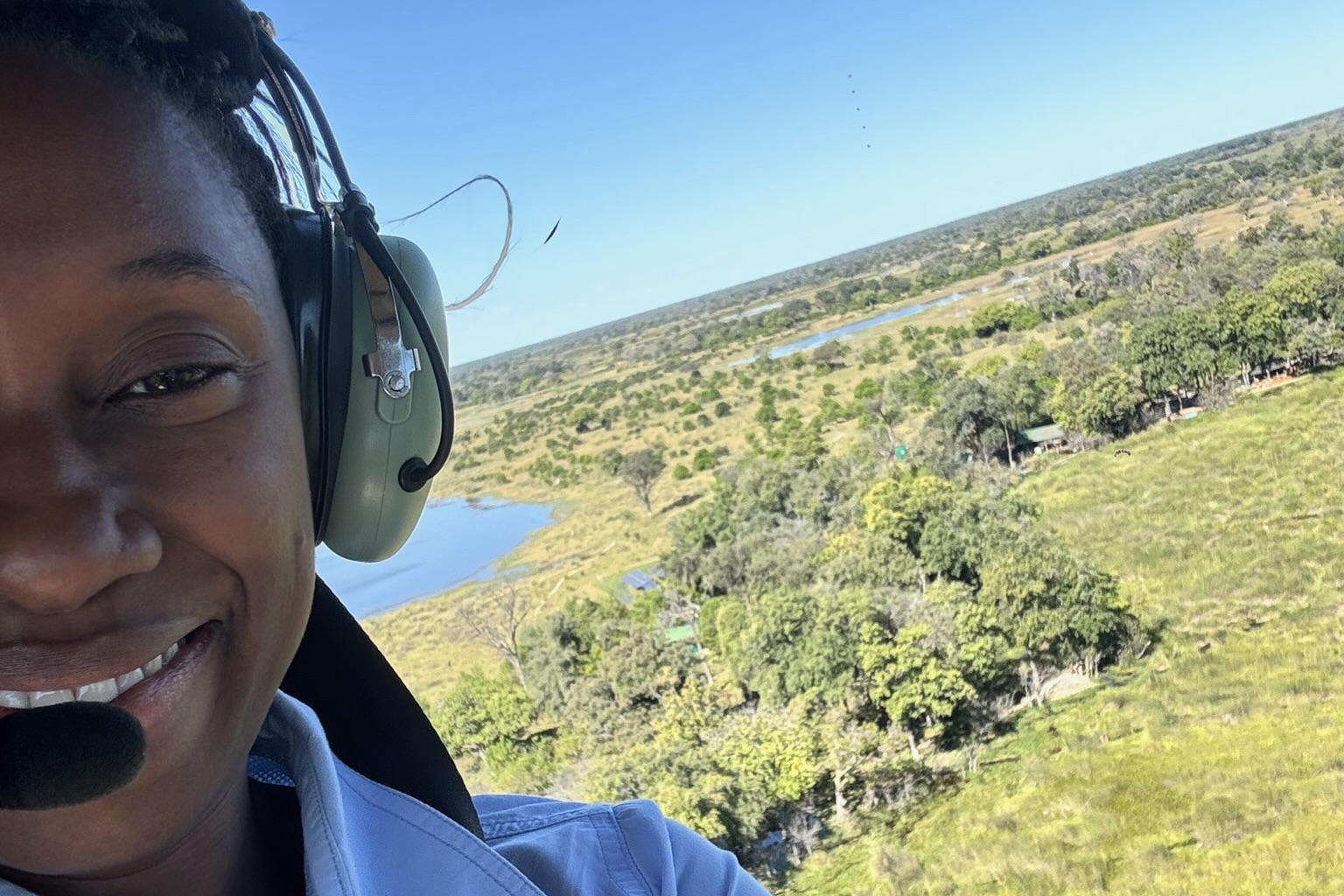
In the Okavango Delta, camps like Kanana, Shinde Footsteps, and Xugana Island Lodge rely on flooded channels for their mokoro and boating activities, so water levels genuinely affect the experience. During our visit, heavy rains had cut off some of the road access into Camp Moremi, requiring a boat transfer instead of a direct drive and the Khwai Airstrip was flooded entirely, which meant flying into Sediba Sa Rona by helicopter rather than fixed wing aircraft, which I wasn’t mad at. These are useful things to know, not as warnings, but simply as a reminder that Botswana is a living, moving landscape and the best camps and guides are well practiced at adapting around it.

Along the Boteti River near Leroo La Tau, water levels shift the whole rhythm of the crossing into Makgadikgadi National Park. When the river is flowing, guests cross by a manually pulled pontoon ferry, which adds a lovely sense of adventure, though it can mean a short queue during busier or higher water periods. In drier periods, the river can drop low enough that vehicles cross directly. Also worth noting for anyone hoping to add a Makgadikgadi Pans sleepout to their trip, that experience only becomes available from around mid July onward, once the pans have dried out enough to access safely.

For general context beyond what I experienced directly, Botswana’s dry season typically runs from around April through October, with wildlife concentrating more predictably around remaining water sources as the months progress, while the wetter months from November through March bring lush green scenery, newborn animals, and excellent birdlife, alongside a higher chance of the kind of temporary road and airstrip disruptions described above. 

Getting There and Getting Around

One of the most reassuring things about combining multiple camps in Botswana is how easy the internal flights actually are. Most hops between camps run somewhere between thirty and forty five minutes on small aircraft, occasionally with a brief stop to drop other guests along the route. None of it feels exhausting and the flights themselves become part of the experience, offering incredible aerial views of the changing landscape below, from the dry Kalahari scrub to the intricate waterways of the Delta.

Transfers on the ground and water are just as much a part of the journey. Arriving at Camp Moremi during a period of heavy rain meant boarding a boat partway through the transfer, winding through reeds and channels past neighboring camps before reaching the lodge itself, a genuinely beautiful way to arrive even if the transfer point itself felt a little more functional than fancy. The journey into Xugana Island Lodge follows a similar pattern, with a boat transfer from the airstrip weaving through narrow channels before the waterway suddenly opens into the wide lagoon where the camp sits, a moment that never quite loses its impact.

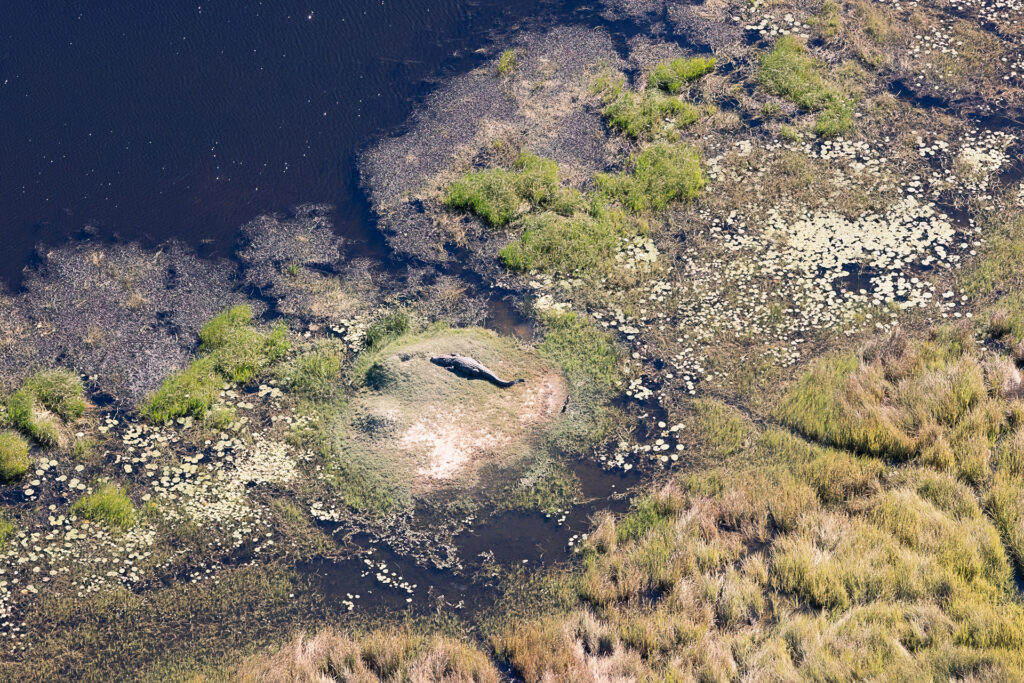
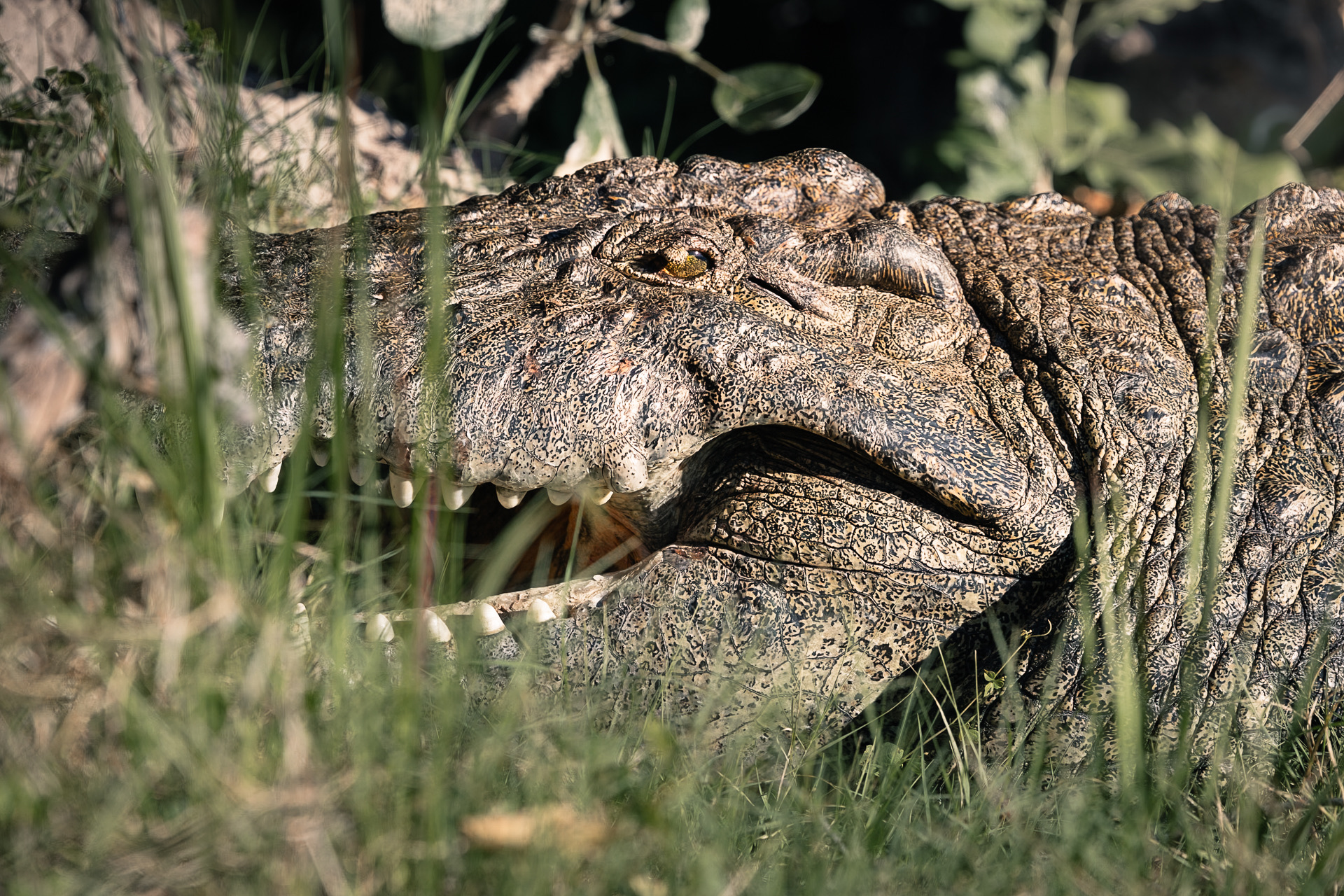
Helicopters add another exciting way to travel. When the nearby Khwai Airstrip flooded, we flew into Sediba Sa Rona by helicopter, replacing a two and a half hour road transfer with a short, scenic flight and landing just minutes from camp. A helicopter flight can also be a special upgrade to a transfer, or an activity in its own right. Seeing the Okavango Delta from above is stunning, and scenic flights are one of the standout experiences available at an extra cost. We did a doors off flight, which was exhilarating, with uninterrupted views of the waterways, islands below and plenty of crocodiles Elephants and Giraffe. For anyone who enjoys photography, it is a real treat.

You will also pass through a few official checkpoints along the way. Entering Chobe National Park near Savuti, for instance, involves a stop at the Department of Wildlife and National Parks gate for registration, often with elephants wandering nearby while paperwork is sorted out, which somehow feels perfectly normal once you have spent a few days in the country. Similarly, the drive into Leroo La Tau passes through a fence and gate system that separates local livestock grazing areas from the protected wildlife zones along the Boteti River, a small but telling detail about how carefully the boundary between community land and national park is managed here.

Where to Stay

Deciding where to base yourself really comes down to which landscapes and activities pull at you most, so let me walk you through the camps region by region, the way I experienced them.

  1. Dinaka, Central Kalahari

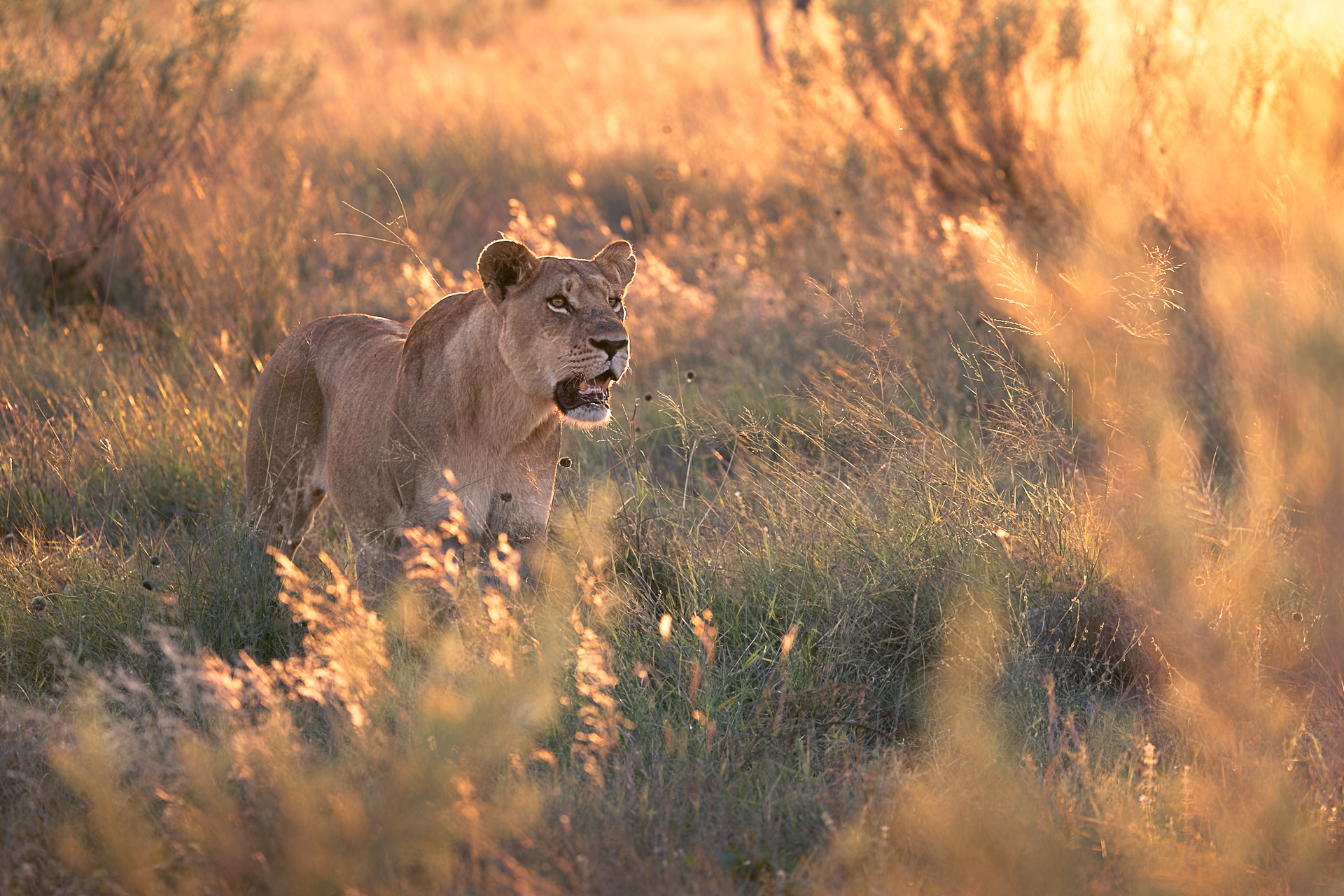
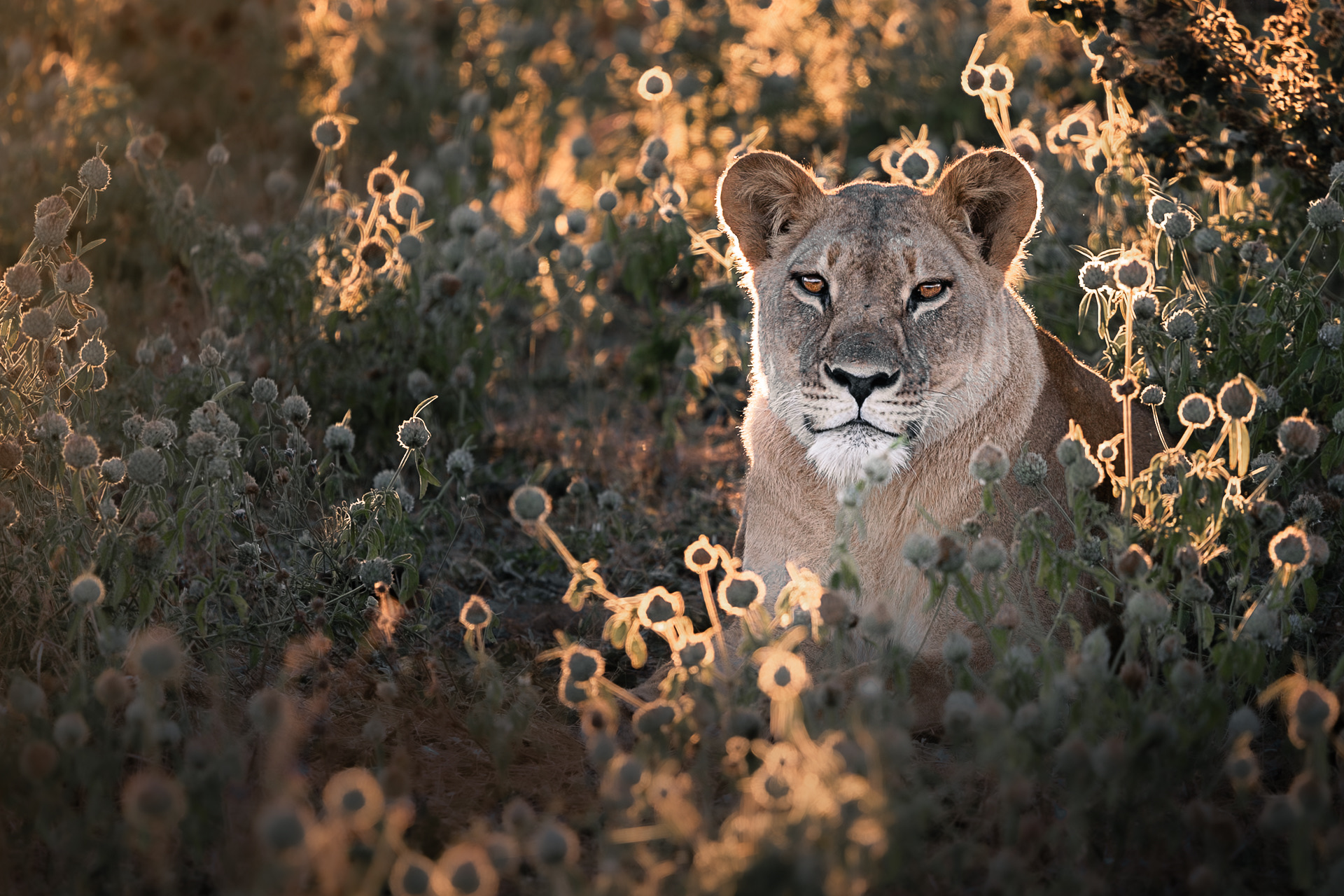
If you are coming from the Delta, heading to Dinaka, the Kalahari is where the landscape completely resets on you. Water and papyrus give way to open grassland and that late afternoon golden light people always talk about when they picture the Kalahari. The lions here are big, and the whole place has a wildness to it that is hard to describe until you are in it. One morning a lion came down to drink from the camp pool, which tells you everything you need to know about why they have an electric fencing laying somewhat flat all around the camp. I would recommend Dinaka to anyone who wants a real taste of the Kalahari alongside serious predator sightings. We had a star bed sleepout and it being my first ever is was one of those nights I often dream of experiencing again.

  1. Kanana, Okavango Delta

Kanana had been rebuilt only a few months before we arrived, and it shows in the best possible way, everything felt fresh without losing any warmth. It is a wonderful base for mokoros, boating, walking, and game drives, with genuinely strong birding too. One afternoon our guide Onalena sketched the entire Delta water system in the sand for us, tracing how the floods travel down from the Panhandle and, in big years, even spill east toward Chobe. I still think about that conversation more than almost any sighting from the trip. This is the camp I would recommend for a classic, well rounded Delta stay.

  1. Shinde Footsteps, Okavango Delta

If intimacy is what you are after, this is the one. Just four tents in a private concession, so it never feels like anything but your own space. The recent rebuild traded a little of the old rustic charm for comfort and thoughtful design, and I think that is a fair trade. Flooding rerouted our transfer, so we arrived by boat through a papyrus maze instead of flying directly in, passing an elephant feeding in the water along the way. It suits couples or small groups wanting somewhere quiet and personal rather than big and social.

  1. Camp Moremi, Okavango Delta

Camp Moremi sits right inside the Moremi Game Reserve, with a classic, established feel across twelve tented rooms. We visited during heavy rain, which closed off some roads and limited our routes more than I would have liked, so I think this camp is at its best when conditions and access are good. It suits travelers who want a traditional Moremi base and the setting itself, surrounded by waterways and thick vegetation, is genuinely lovely.

  1. Xugana Island Lodge, Okavango Delta

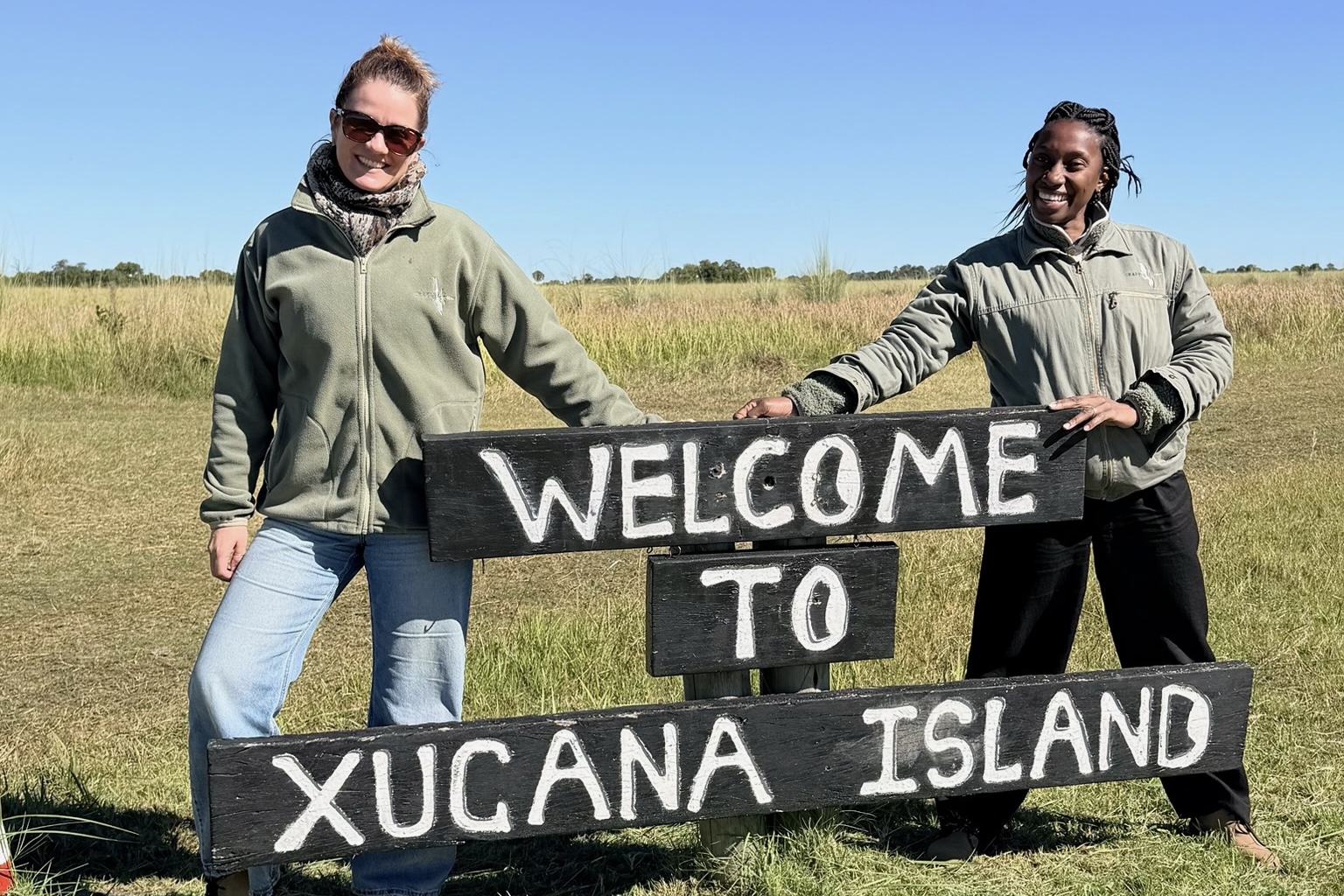
This was my favorite camp of the Desert and Delta collection, and I say that having tried hard to stay fair to every place we visited. Everything came together here, the setting on the lagoon, the guiding, the whole feel of the place. The tented suites are spacious and open wide to the outdoors even though they are fully enclosed. If you only do one activity here, make it the walking safari. We ended up tracking lions on foot, hearing them before we ever saw them, and it is still one of my favorite safari memories. I would build in at least three nights if you can.

  1. Leroo La Tau, Boteti River and Makgadikgadi

Leroo La Tau looks out over the Boteti River toward Makgadikgadi National Park, and it has a more established, classic safari feel. Watching zebra and elephant come down to drink below camp, with zebra calls echoing across the water, became one of the quieter pleasures of the stay. Activities are mostly game drives, plus that seasonal pans sleepout.

  1. Savuti Safari Lodge, Chobe

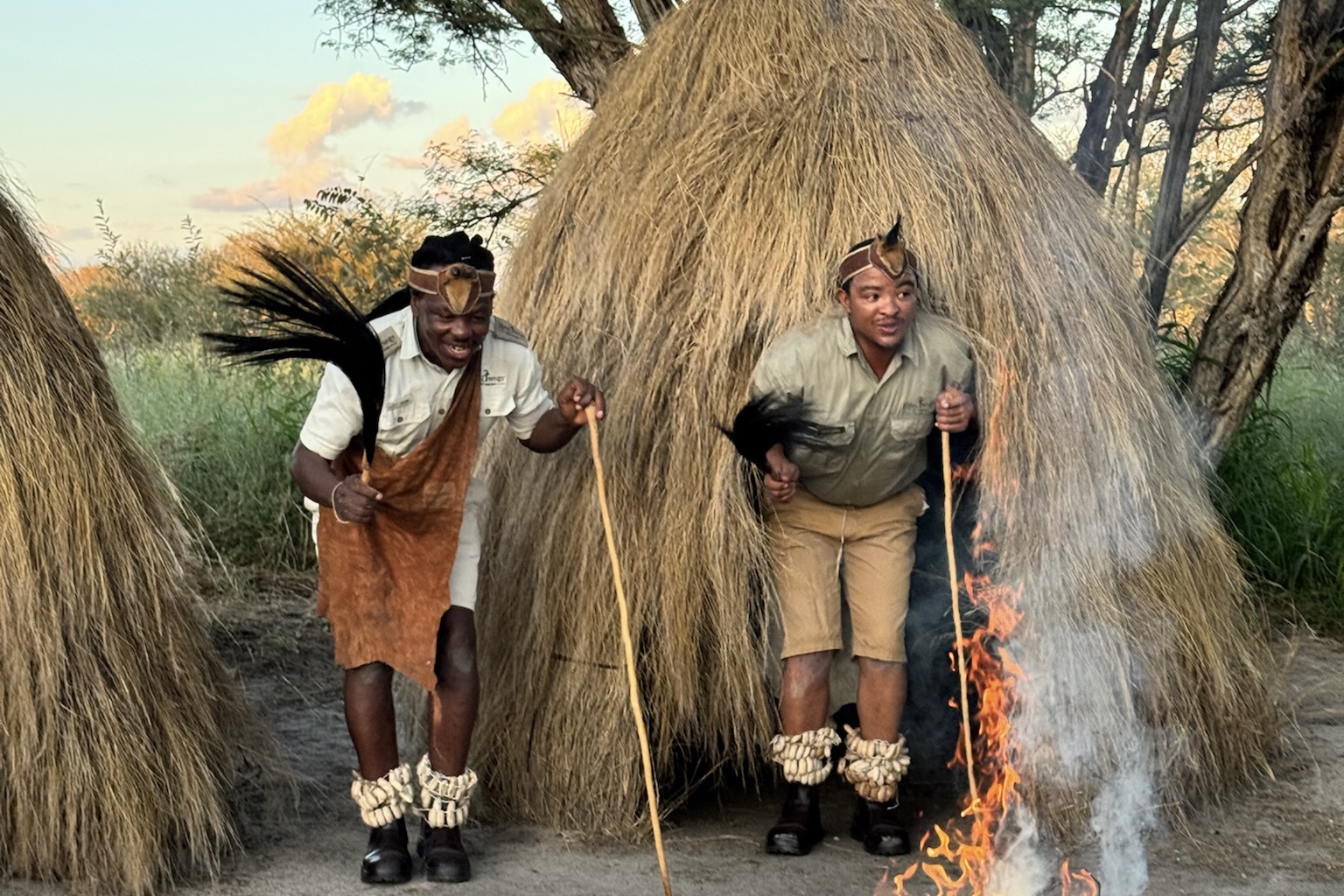
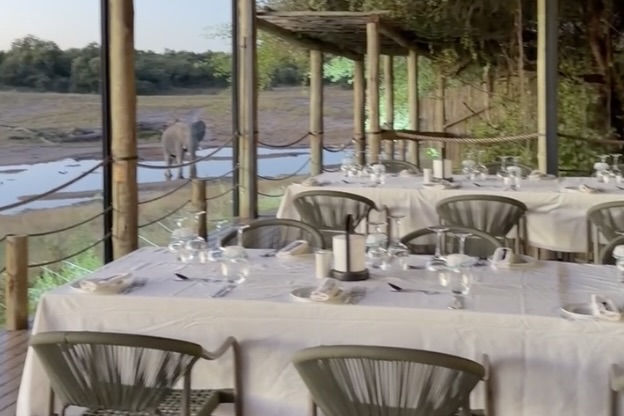
Savuti overlooks a floodlit waterhole, so dinner comes with its own entertainment built in, elephants, jackals, and owls all moving through the light while you eat. The rooms feel newly refreshed and genuinely comfortable, and the team singing and dancing with guests kept the whole camp feeling lively even fully booked. Predator sightings are excellent here, we had leopard along with multiple lions, including two big maned males. This suits anyone who wants strong, sociable wildlife viewing in a comfortable, scenic setting.

  1. Sediba Sa Rona, Khwai

Sediba Sa Rona is one of the newer camps, run with Savanna Expeditions in the community managed Khwai area. I found this one of the more eye opening stops on the trip, because this region really does put tourism money back into the local community, which I love, but it also means more operators share the traversing area, so sightings can draw a fair number of vehicles. Once we were out with our guide, the day turned out beautifully, and wildlife density here, especially predators, is strong. It suits travelers who want great value and good game viewing without needing the most private, exclusive setting.

Wildlife Highlights

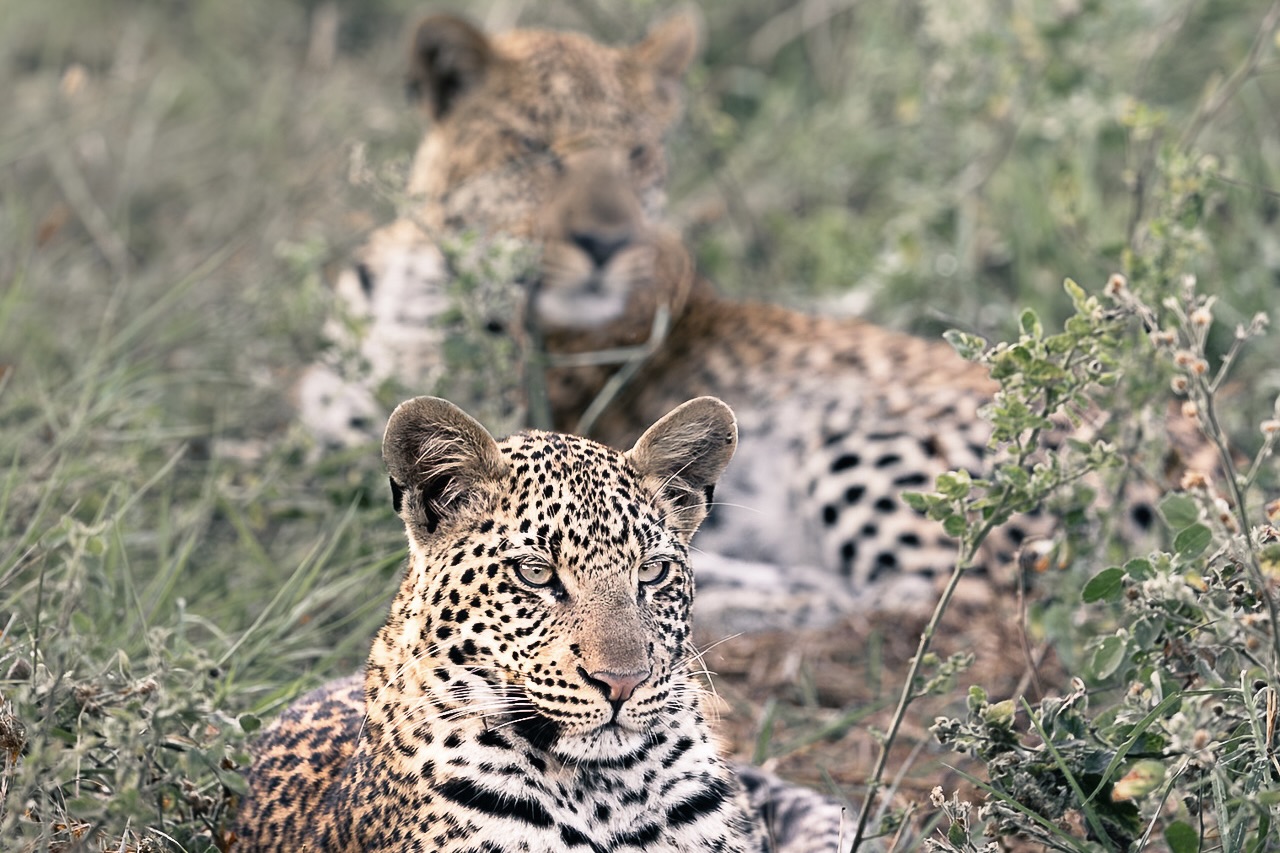
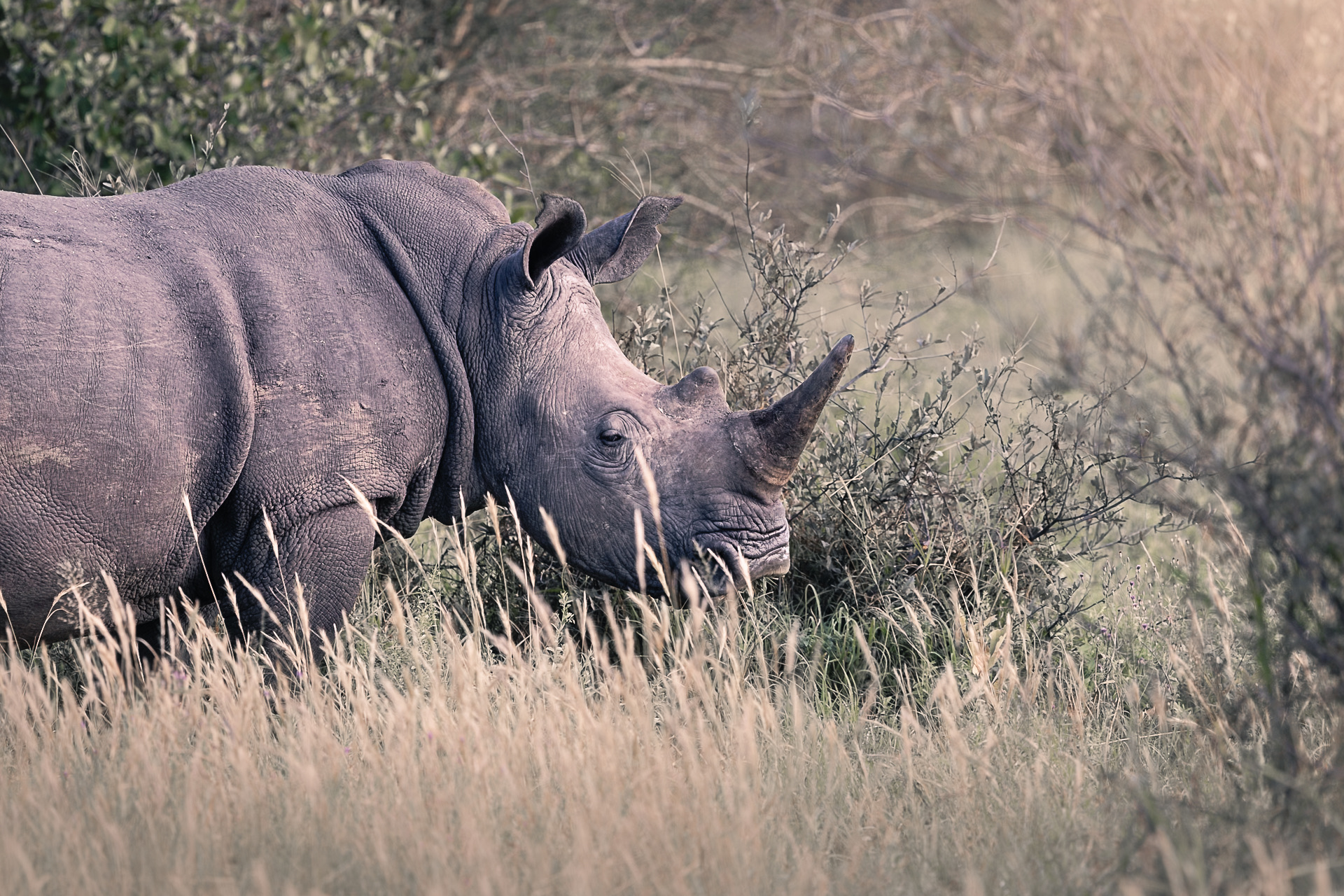
Every region shows you a different side of Botswana’s wildlife, and that variety is part of the appeal. The Kalahari lions at Dinaka are noticeably large and powerful, and the rhino sightings carry extra weight once you know the reintroduction story behind them. In the Delta, we had leopards moving right between our vehicles at Kanana, and a wild dog sighting at Shinde that our guide seemed to find through pure instinct alone.

Xugana gave us that lion tracking walk I keep circling back to. Savuti and Khwai both deliver strong predator numbers, with Savuti’s lions looking exactly like the big maned cats most people picture when they think of Botswana. Khwai had a large pride and a young leopard cub, though as I mentioned, expect more vehicles at those sightings than you would find in a private concession.

What to Pack

Because most travel between camps happens on small aircraft, and sometimes boats, packing light in soft sided bags genuinely makes a difference. Bring layers, mornings can be properly chilly, even though afternoons warm up fast. Good closed shoes matter if a walking safari is on your itinerary. A little extra insect repellent is worth packing for evening boat transfers near Moremi and the Delta camps, since midges tend to show up after dark. As a general safari tip beyond what I personally observed, neutral clothing colors for game drives and walks are always a smart call.

Top Experiences

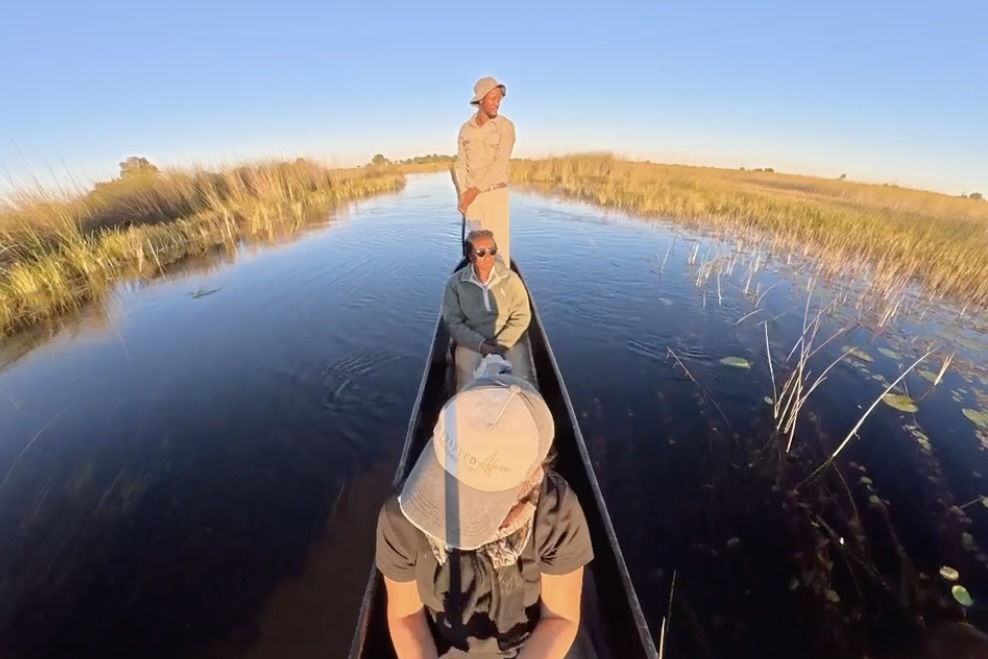
If someone asked me what to prioritise, walking safaris would top the list, because of my incredible experience, that being said you don’t always get to track lions on foot so then I would change this to Mokoro rides. They are such a lovely change of pace where slowing down after a few days of game drives felt like exactly what we needed. Both sleepouts, the star bed at Dinaka and the seasonal pans experience from Leroo La Tau, are worth building in if your timing allows. And do not skip dinner at Savuti, watching wildlife move through the floodlit waterhole while you eat is one of those simple pleasures that stays with you.

Food and Camp Atmosphere

Meals felt relaxed everywhere we went, lunches outside by the water or bush and dinners overlooking a floodlit waterhole. What stood out most, though, was the staff at each camp. At Kanana, a night of easy laughter with the team became one of my favorite memories of the trip. At Savuti, the whole dining room got pulled into singing and dancing. At Shinde, the manager led songs at arrivals and dinners with so much energy that even with just a few guests in camp, it felt completely full of life. The people running these camps are honestly half the reason the trip stays with you.

Suggested Itinerary

The world is your oyster! Get in touch and let me know what appeals to you, how long you would like to travel, and when you have in mind. I would be happy to put together an itinerary that brings your desired experiences together at a pace that suits you.

FAQs

  1. How many camps should I combine?

Three to five camps over ten to fourteen nights tends to work really well. Flights are short, so moving between regions is easier than it sounds.

  1. Is Botswana good for a first Africa trip?

Yes Yes Yes!!!

  1. What is the difference between private concessions and national parks or reserves?

Private concessions have fewer camps and visitors, so you tend to enjoy a quieter, more exclusive experience. National parks and reserves are shared by more operators and visitors including self drives, so sightings can get a little busier. There is also less flexibility with activities, as night drives are generally not allowed, and in some areas mokoro trips are not available either.

  1. Will flooding affect my trip?

It can occasionally shift road or airstrip access, but the camps adapt well, and it is something we plan around carefully when building your itinerary.

  1. When can I do a Makgadikgadi Pans sleepout?

From around mid July, once the pans have dried out, executed beautifully by Leroo La Tau.

  1. Are walking safaris worth it?

Absolutely. Our walking safari at Xugana, which turned into tracking lions on foot, was one of the best things we did on the entire trip.

If any of this has you picturing your own Botswana trip, I would love to help you plan it. Getting the order and pacing right makes such a difference to how the whole thing feels once you are actually there, and that is exactly the kind of detail I enjoy working through with you.

Explore Botswana

About the author

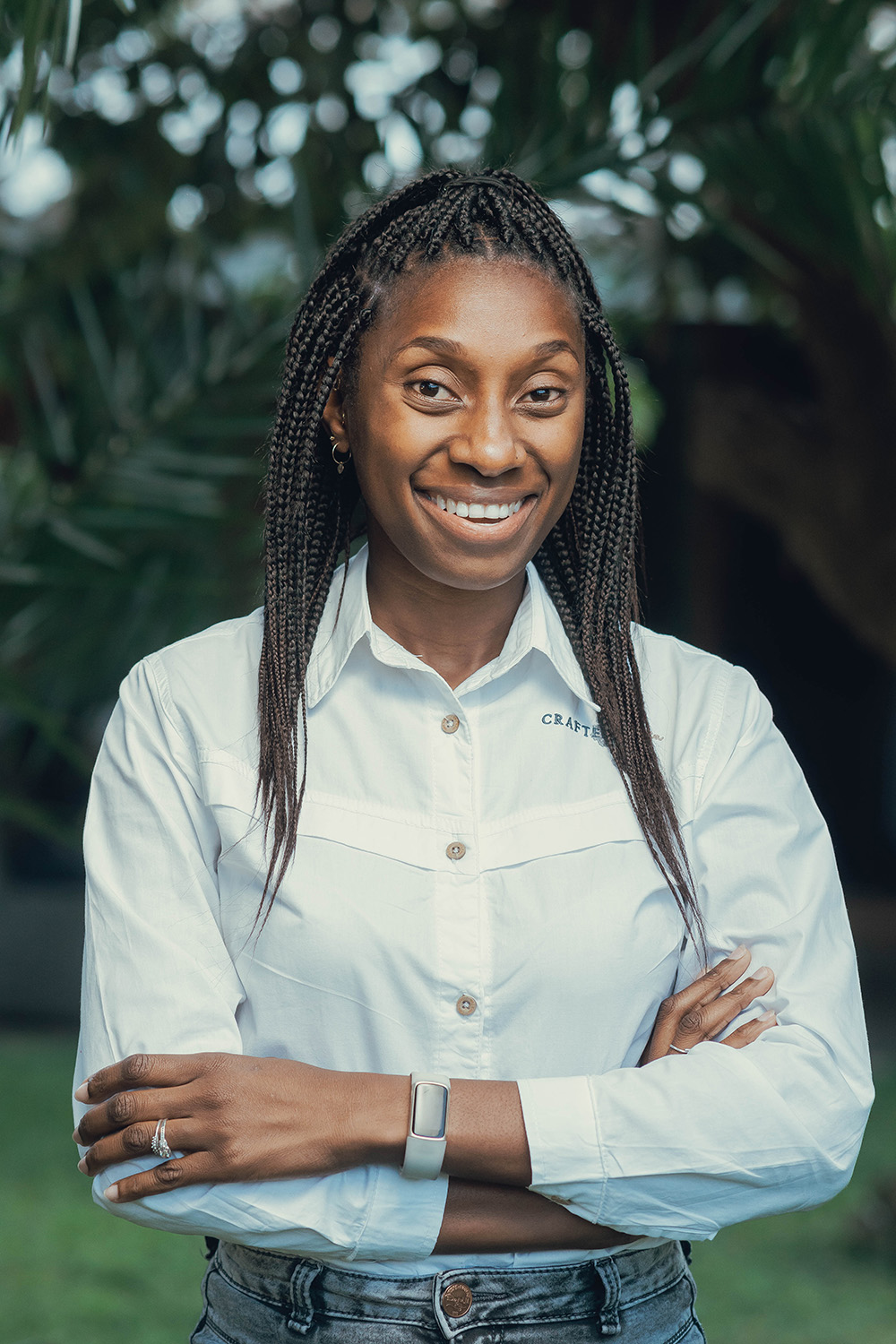
Tapiwa has been leading sales at Crafted Africa for the past decade, bringing a wealth of experience and a deep passion for travel in Malawi and beyond. Born and raised in this breathtaking country, she knows its hidden gems like the back of her hand. Through her work with Crafted Africa, she has explored some of the most incredible destinations in the region. Tapiwa has visited South Luangwa numerous times, one of her absolute favourites, along with Malawi’s three stunning national parks: Nyika, Liwonde, and Majete, the country’s only Big Five reserve. Her adventures have also taken her to Zambia’s Kafue National Park and Livingstone, the wild and remote tourism and conservation efforts grow over the years and is always excited to share the region’s best-kept secrets. Whether you need expert advice, insider tips, or a carefully crafted itinerary, Tapiwa is always ready to help create unforgettable journeys.

Proceed Booking